Explore our premium, science-backed collection of peptides.
Showing 58 results
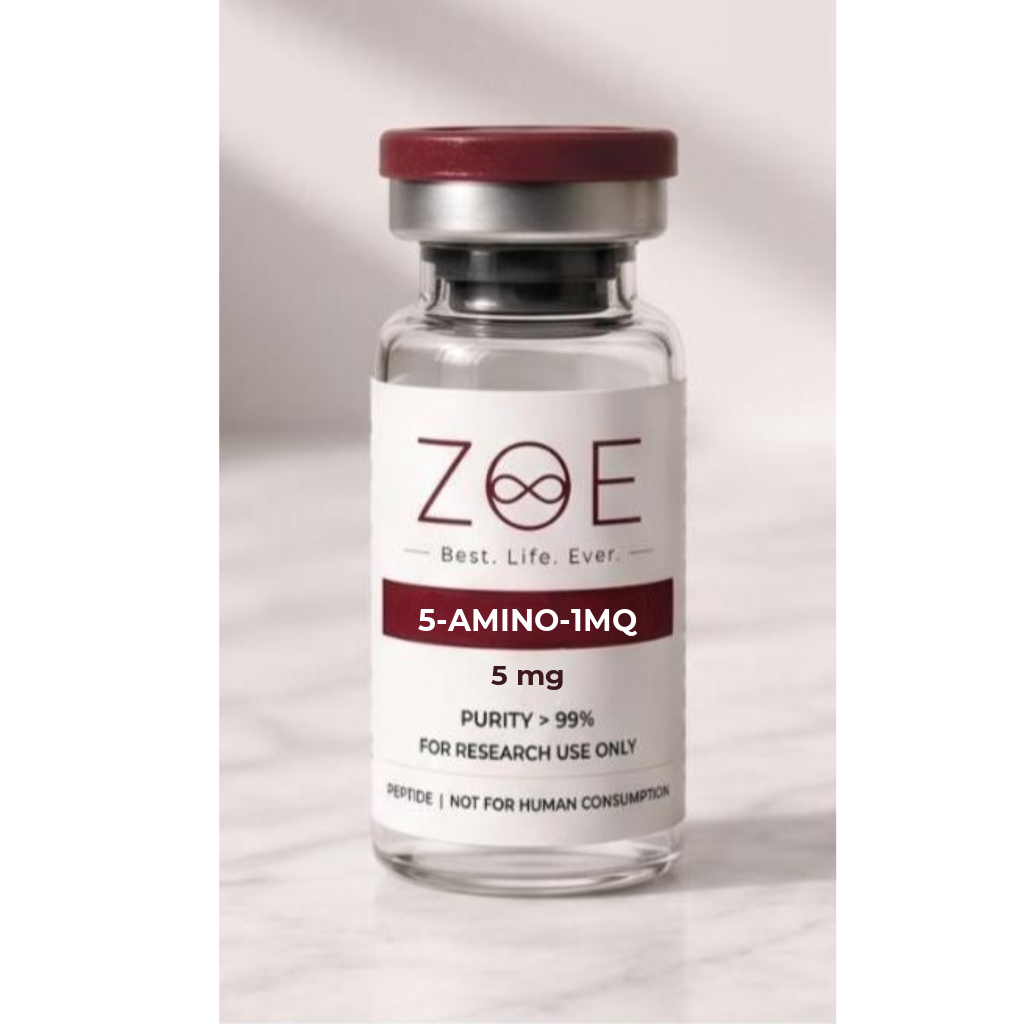
5-Amino-1MQ is a small-molecule nicotinamide N-methyltransferase (NNMT) inhibitor used in research to study metabolic regulation, energy expenditure, and fat loss. NNMT is a cytosolic enzyme involved in the methylation of nicotinamide, which affects cellular NAD⁺ levels and methylation potential.
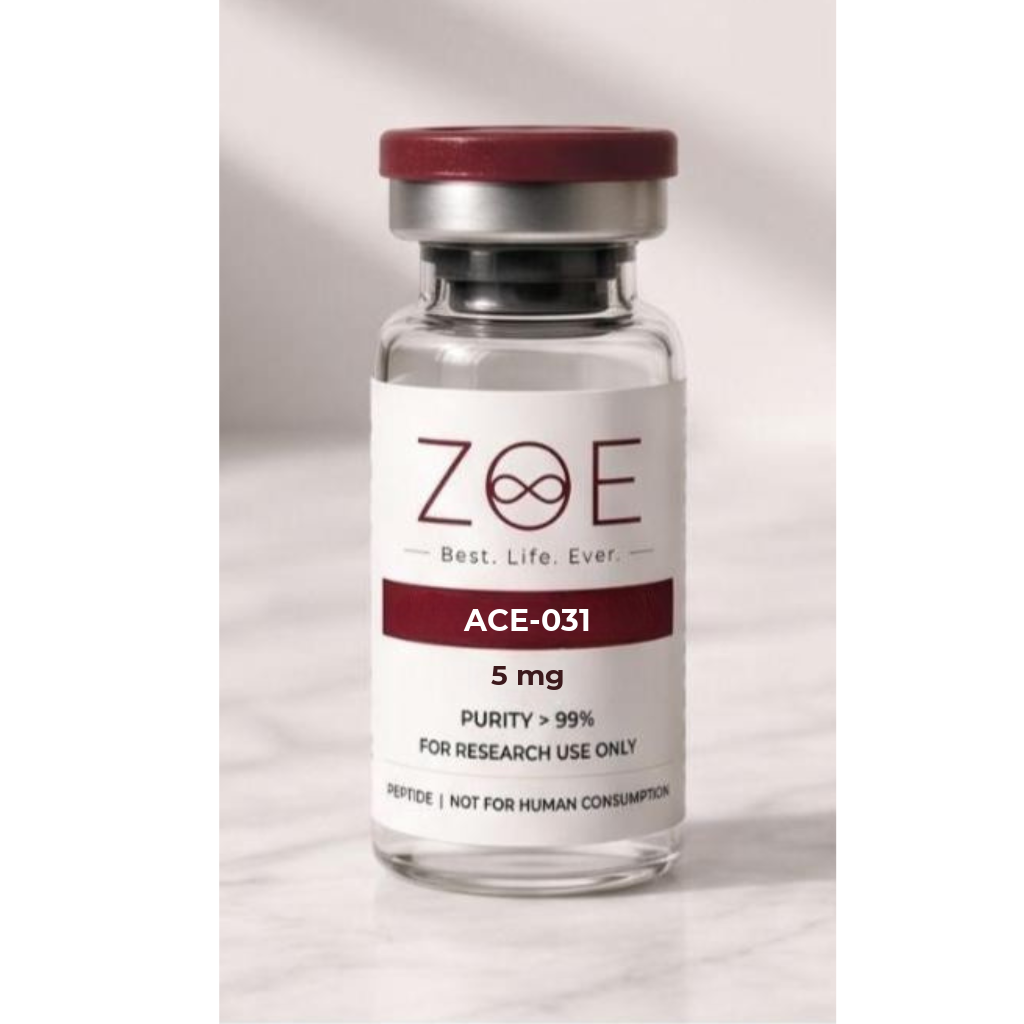
ACE-031 Peptide ACE-031 peptide, also known as ActRIIB-IgG1 peptide, appears to be a myostatin inhibitor. In terms of structure, it is a fusion compound consisting of the activin receptor type IIB (ACV2RB) and recombinant immunoglobulin IgG1 FC, which is a form of antibody.
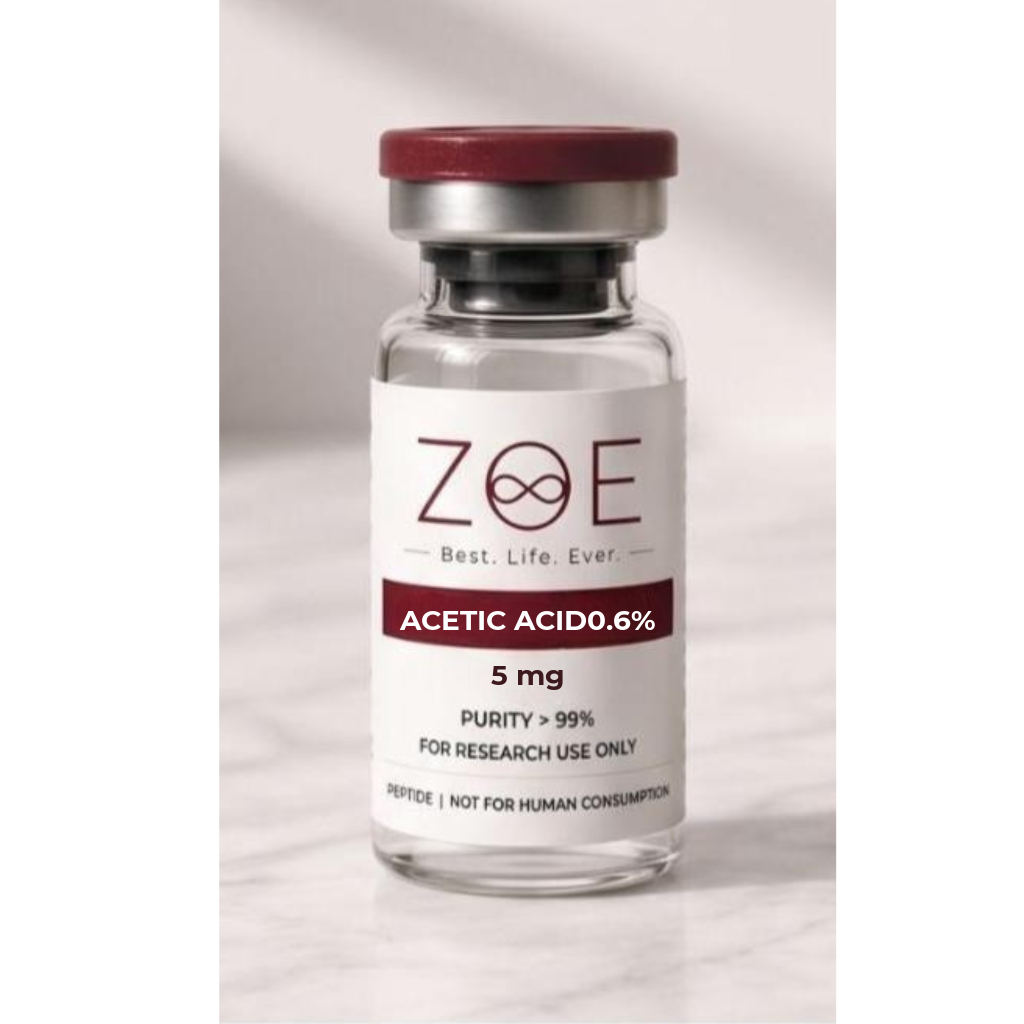
Acetic Acid (CH₃COOH) is a simple organic acid widely used in chemical, biochemical, and microbiological research. This 0. 6% aqueous solution provides a stable and controlled concentration for buffering, titration, solubility testing, peptide reconstitution, and pH adjustment studies. For Laboratory and Scientific Research Use Only.
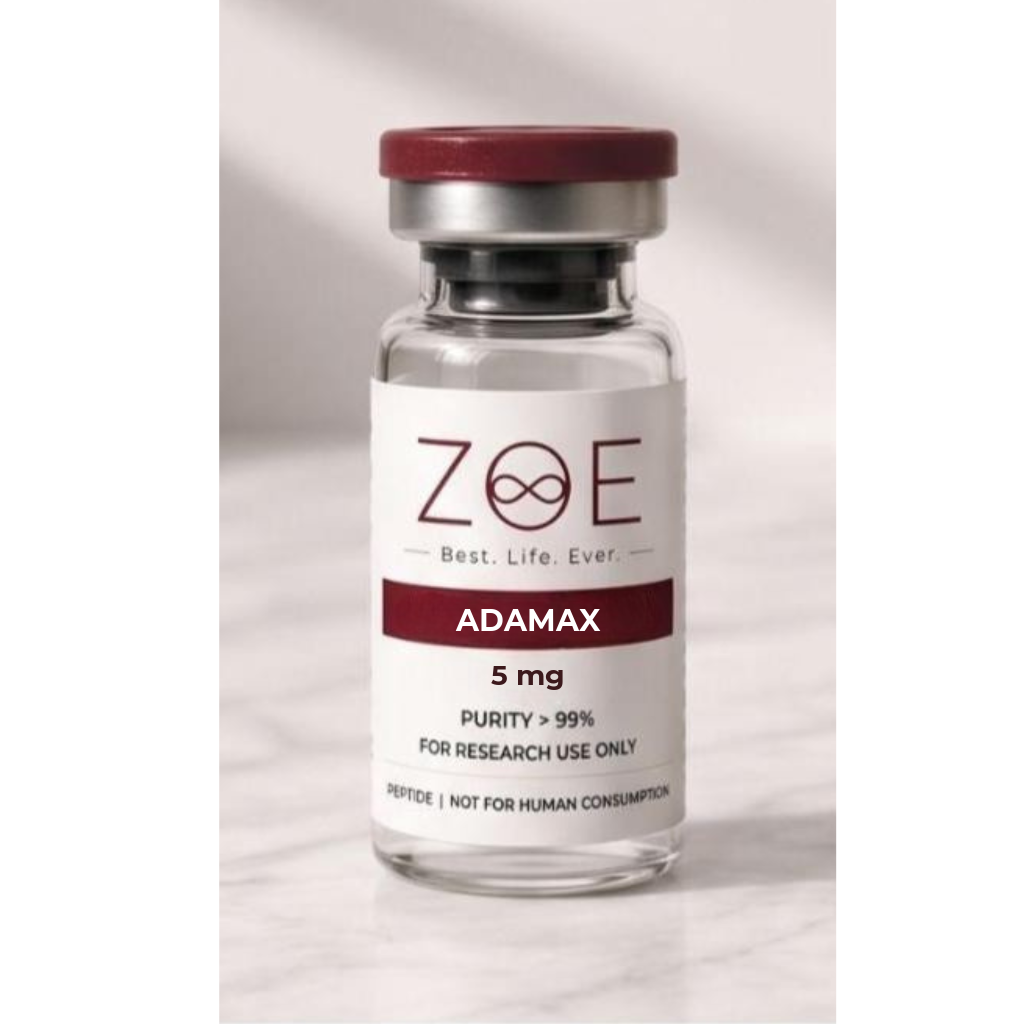
Description Adamax Adamax is a synthetic peptide compound designed for biochemical research investigating peptide-receptor interaction and cellular signalling pathways. Peptide-based compounds are commonly studied in molecular biology due to their ability to interact with receptor systems and intracellular regulatory networks.
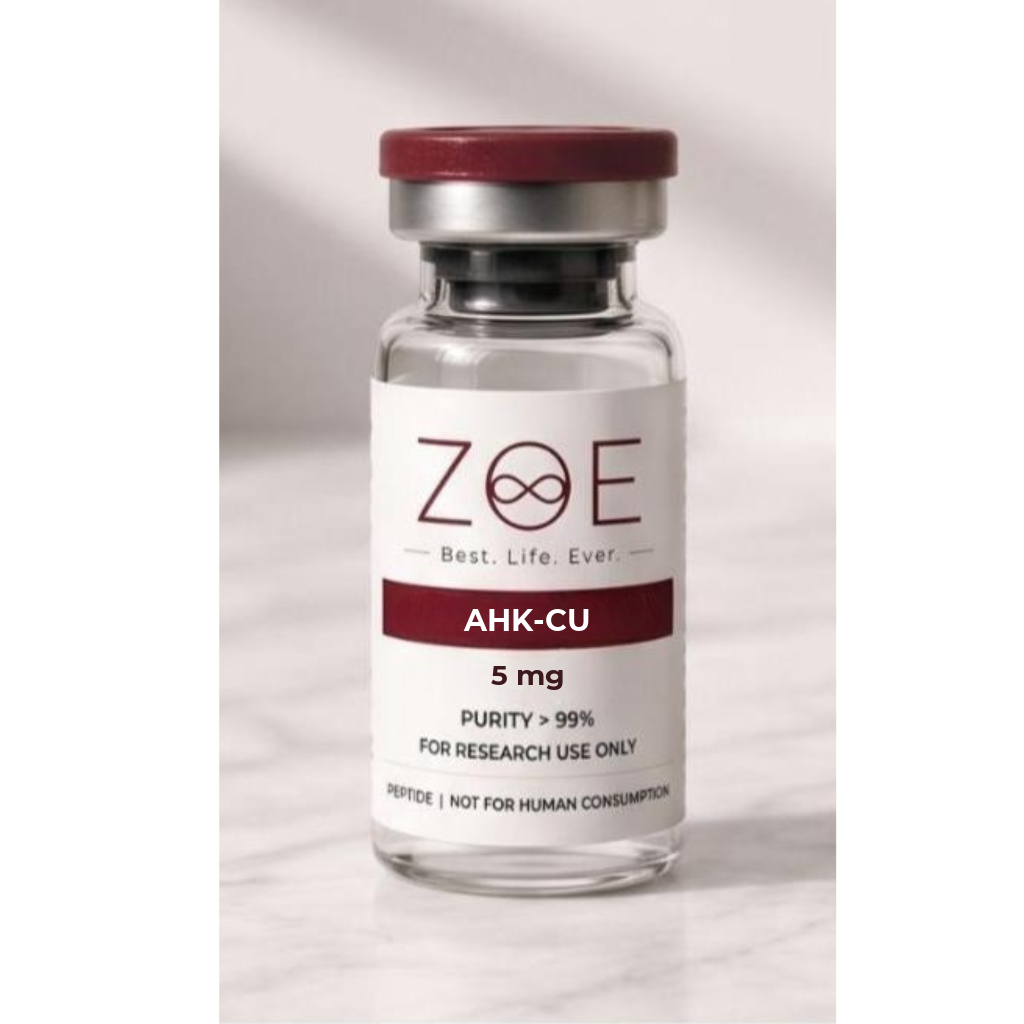
AHK-Cu (Copper Tripeptide-3) is a tripeptide complex containing alanine, histidine, and lysine bound to copper. In scientific literature, it is widely investigated for its potential to stimulate collagen synthesis, promote angiogenesis, and support hair follicle viability by modulating vascular endothelial growth factor (VEGF) pathways.
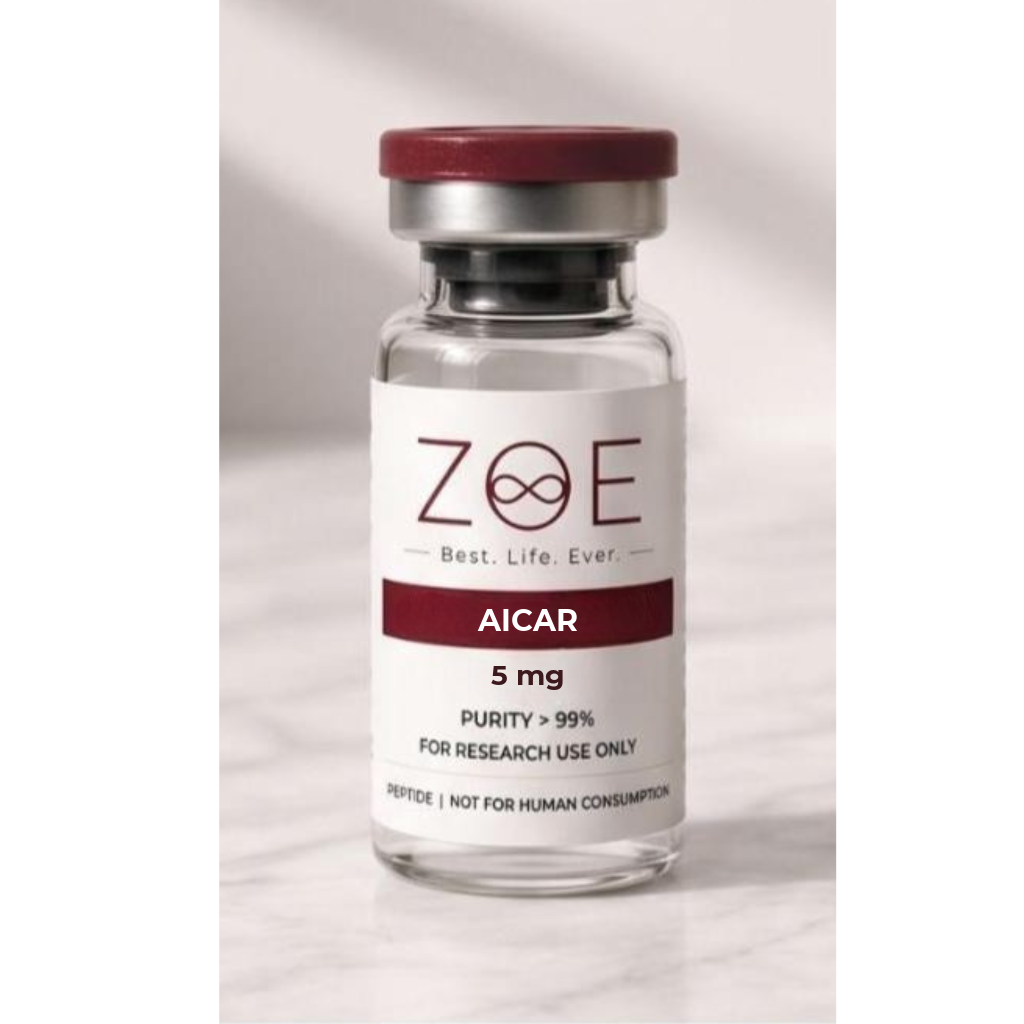
AICAR (Acadesine) is an adenosine analog and a AMPK activator. AICAR is also an autophagy, YAP and mitophagy inhibitor. AICAR regulates the glucose and lipid metabolism, and inhibits proinflammatory cytokines and iNOS production. AICAR inhibits autophagy through a mechanism independent of AMPK activity. AICAR (Acadesine) is an adenosine analog and a AMPK activator.
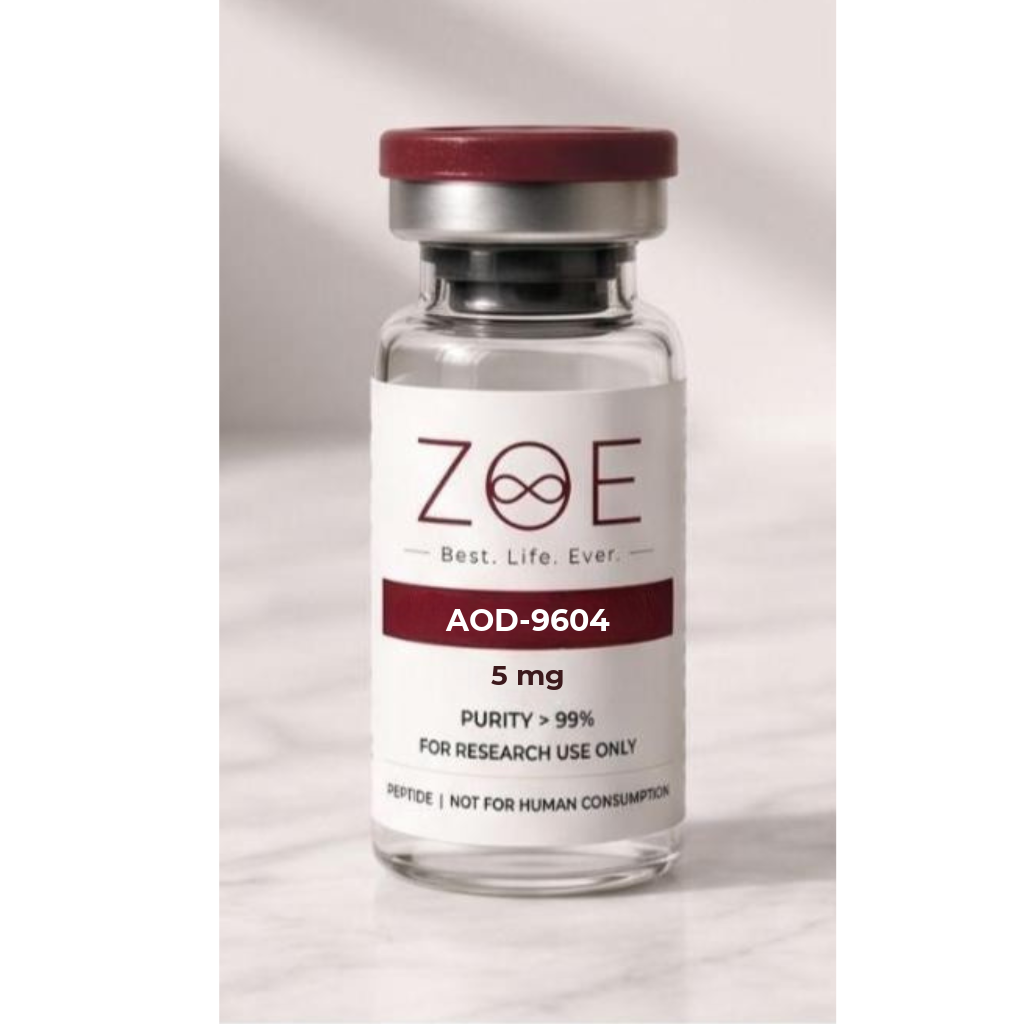
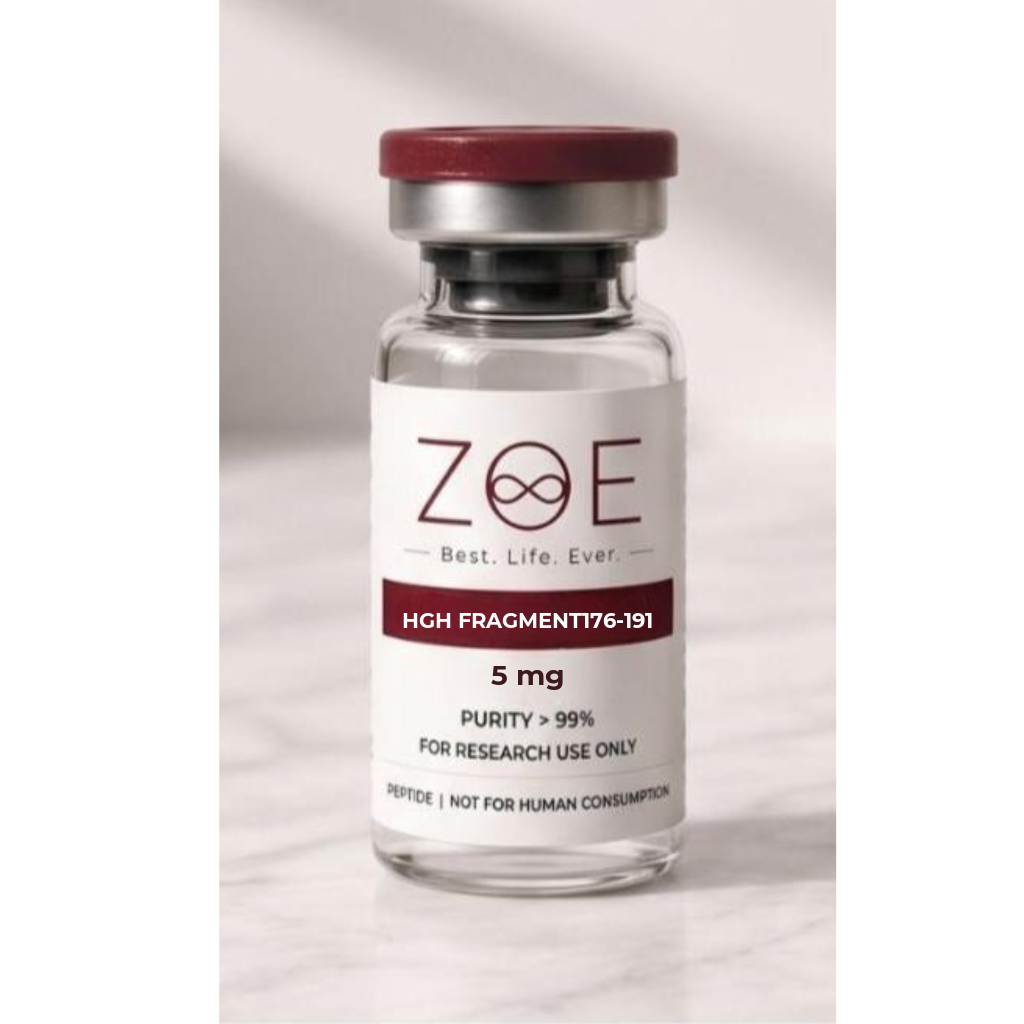
AOD-9604 (Advanced Obesity Drug) is a synthetic 16-amino acid peptide analog corresponding to the lipolytic C-terminus of human growth hormone (hGH 177-191). Research focuses on its capacity to stimulate lipolysis (fat breakdown) and inhibit lipogenesis without elevating blood glucose or impacting insulin sensitivity.
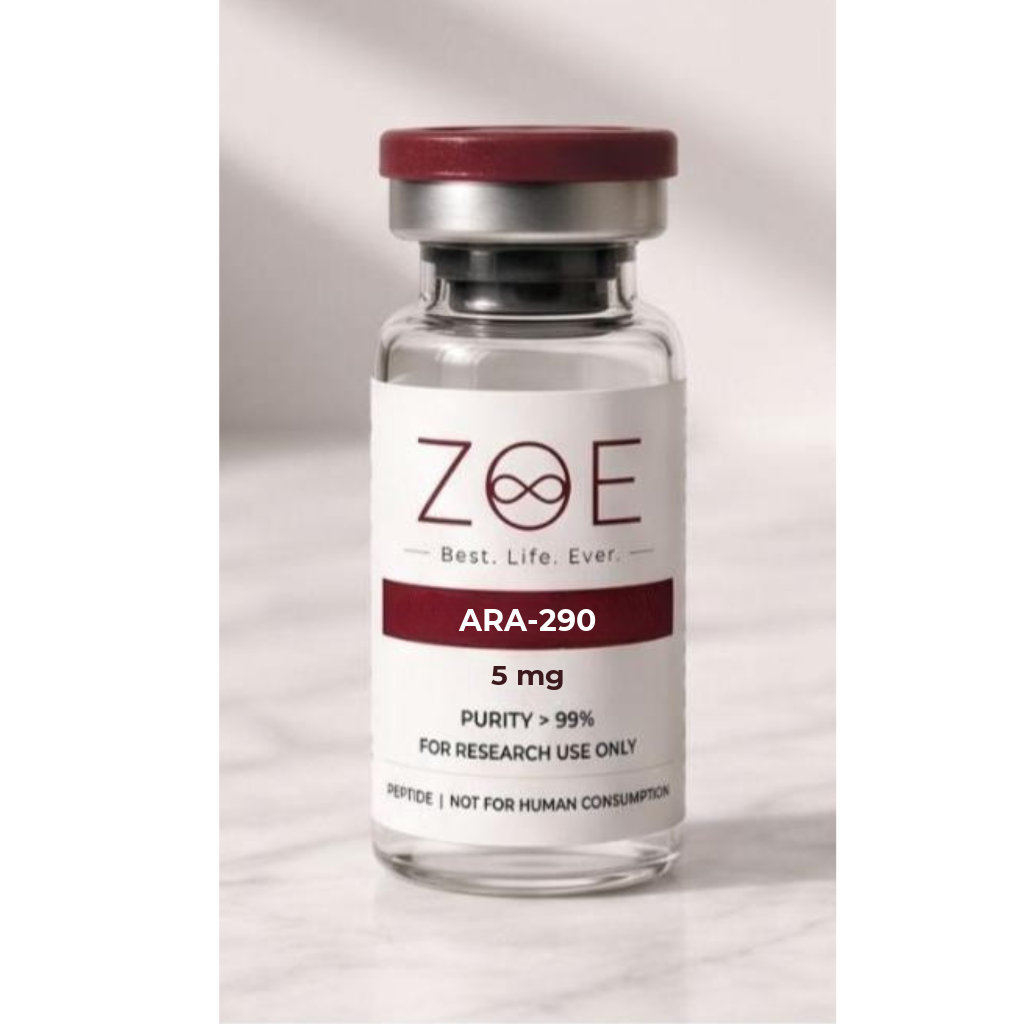
ARA-290 (Cibinetide) is a synthetic 11-amino acid peptide derived from the structure of erythropoietin (EPO). Unlike EPO, it does not stimulate red blood cell production but acts as a selective ligand for the innate repair receptor (IRR), making it a key compound for researching neuroprotection, neuropathic pain, and tissue inflammation.
Vitamin B12 (Cobalamin) is an essential, water-soluble vitamin that serves as a cofactor in several critical enzymatic reactions, including DNA synthesis, methylation cycles, and energy metabolism. In research, B12 is commonly studied to understand its roles in neurological function, red blood cell production, and homocysteine metabolism.
Bacteriostatic Water is a sterile, non-pyrogenic solution of water for injection with 0. 9% benzyl alcohol as a bacteriostatic preservative. Researchers choose bacteriostatic water to enable multiple withdrawals from a single vial while maintaining sterility, making it ideal for controlled research environments. For Laboratory and Scientific Research Use Only.
BPC-157 (Body Protection Compound-157) is a synthetic peptide fragment derived from a naturally occurring protein found in gastric juice. Researchers use BPC-157 to explore pathways involved in wound healing, tendon and ligament regeneration, neuroprotection, and gastrointestinal mucosal repair.
BPC-157 + TB-500 is a synergistic research combination of BPC-157 (a gastric pentadecapeptide known for its angiogenic and cytoprotective properties) and TB-500 (Thymosin Beta-4 Fragment) (a peptide that promotes actin polymerization and wound repair).
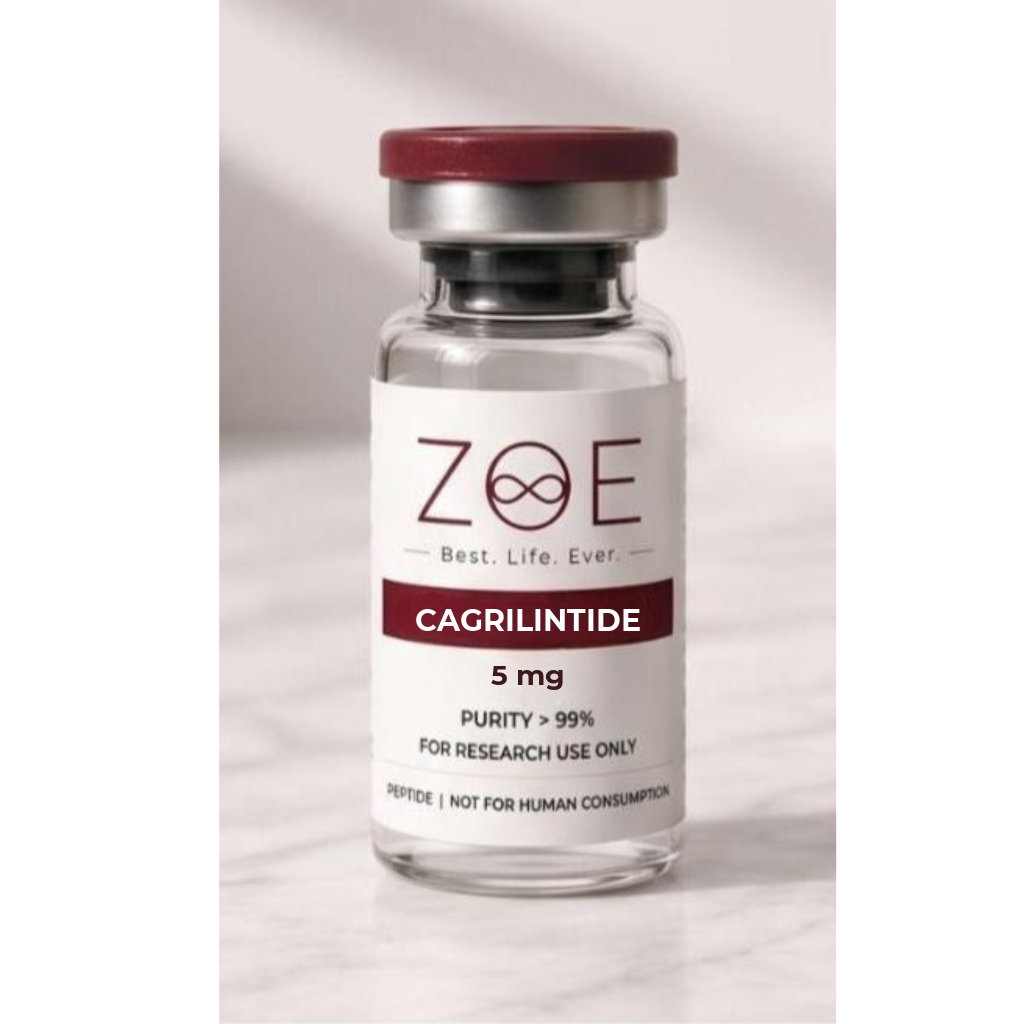
Cagrilintide is a long-acting amylin analogue designed for once-weekly administration in research models. It mimics the effects of endogenous amylin, a hormone co-secreted with insulin from pancreatic β-cells, and plays a key role in satiety signaling, gastric emptying regulation, and weight management.
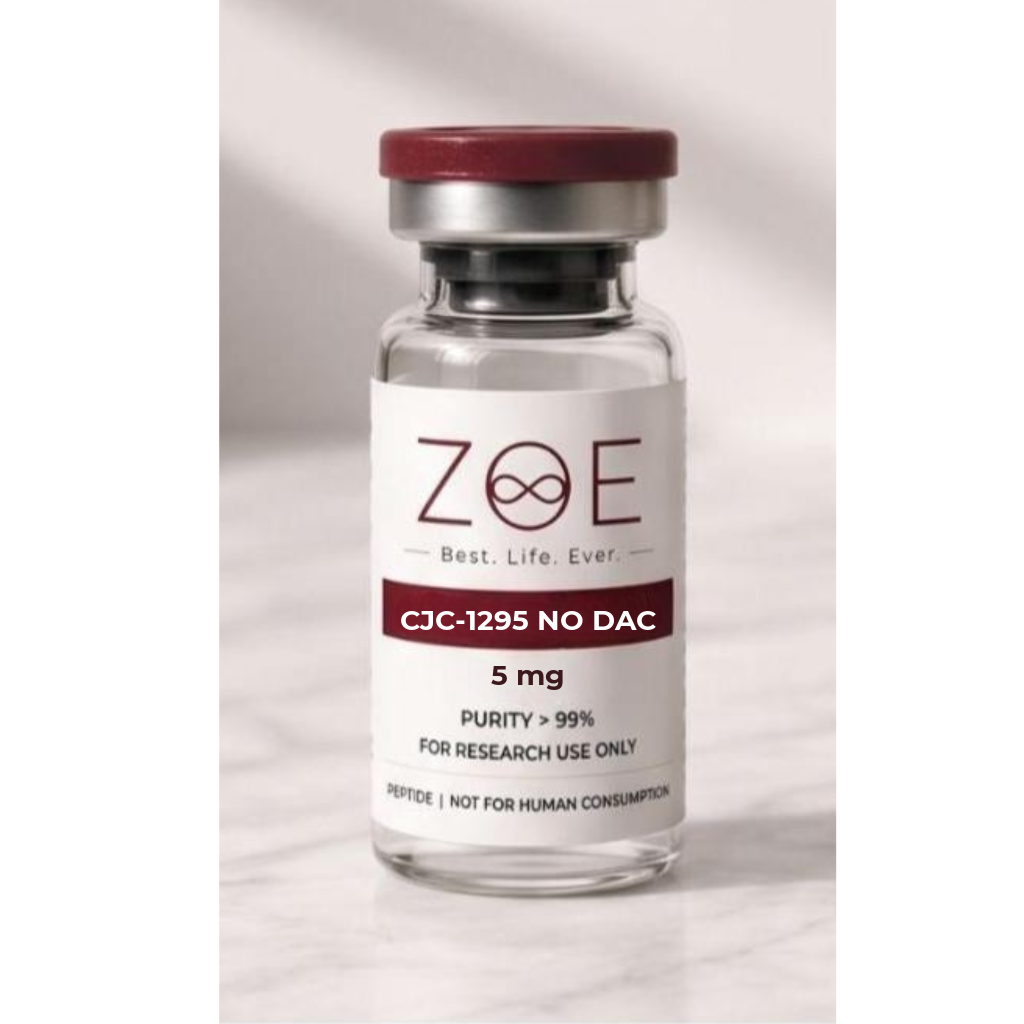
CJC-1295 is a synthetic growth hormone-releasing hormone (GHRH) analogue designed to increase growth hormone (GH) secretion by binding to GHRH receptors in the pituitary. It is available in two forms: CJC-1295 with DAC (Drug Affinity Complex) for prolonged half-life and CJC-1295 without DAC for shorter, more pulsatile GH release.
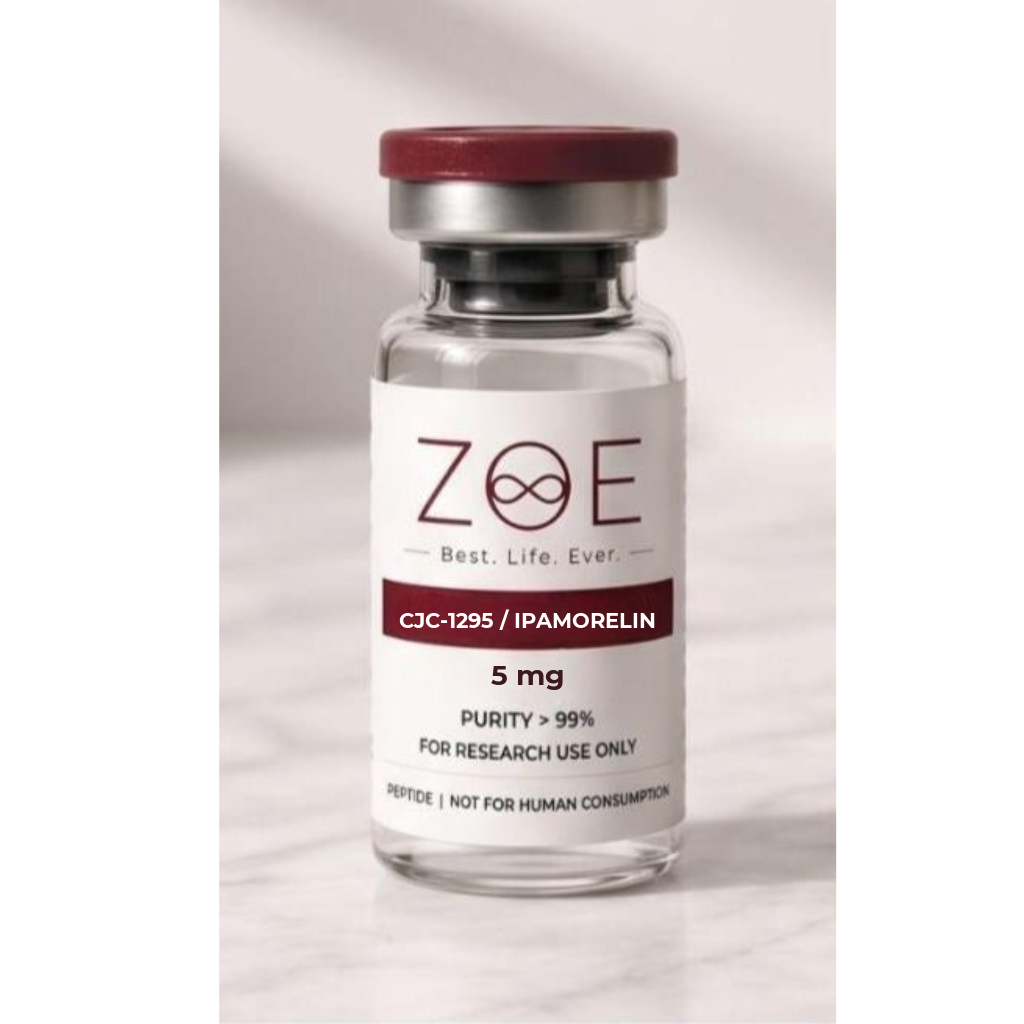
Ipamorelin is a highly selective growth hormone secretagogue (GHRP) that stimulates GH release via activation of ghrelin (GHS-R1a) receptors. Unlike earlier GHRPs (e. g. , GHRP-6), Ipamorelin has minimal impact on cortisol or prolactin levels, making it a more targeted research tool.
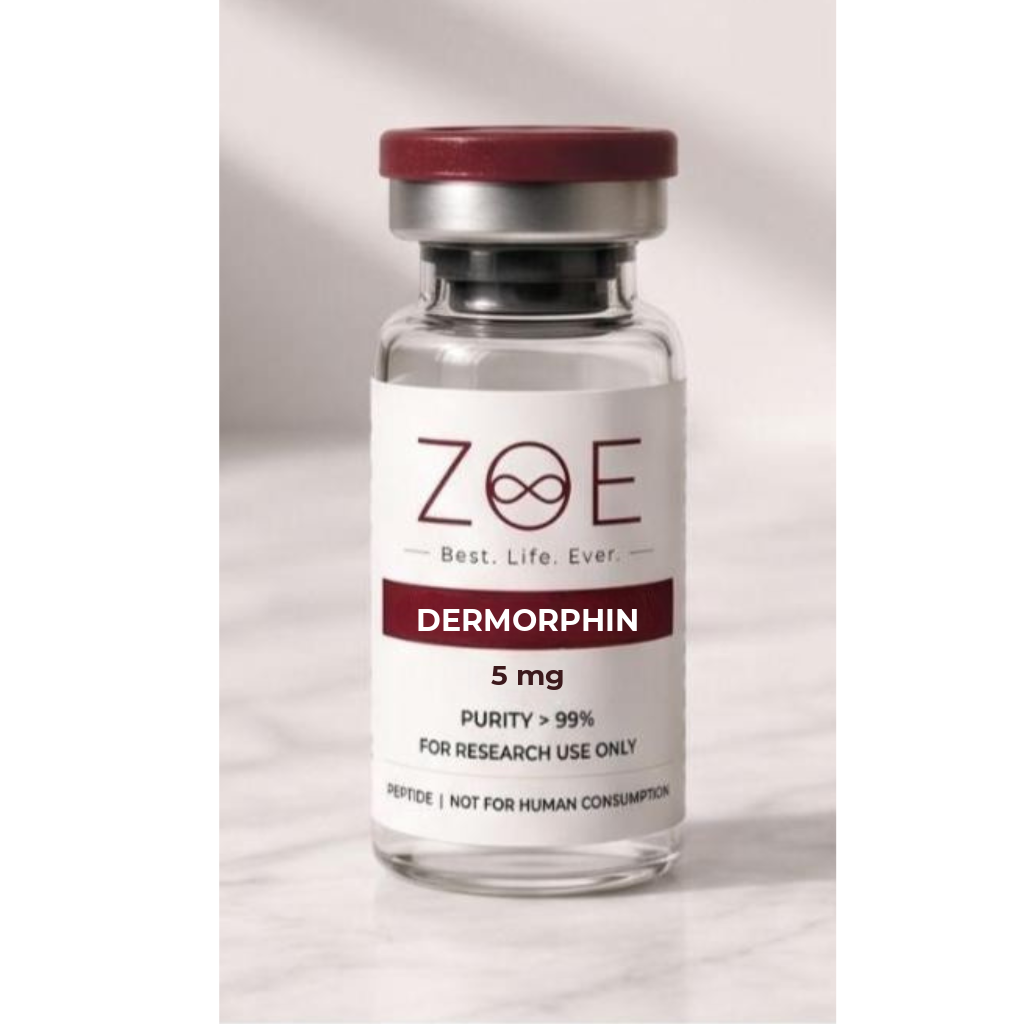
Dermorphin is a naturally derived peptide originally identified in amphibian skin secretions and widely studied for its interaction with opioid receptors in controlled laboratory environments.
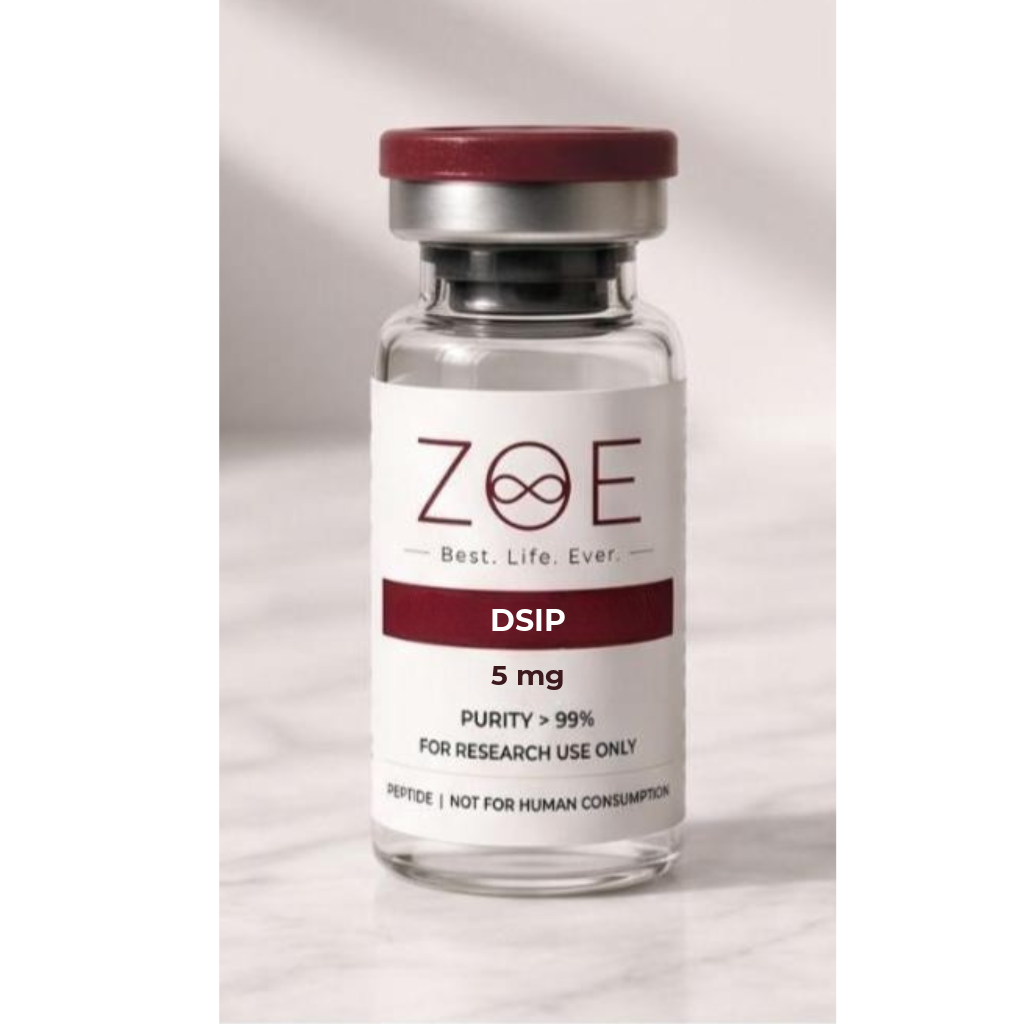
DSIP (Delta Sleep-Inducing Peptide) is a naturally occurring neuropeptide first isolated from the brain that has been linked to the regulation of slow-wave (delta) sleep. It is a nonapeptide with broad effects on the central nervous system, endocrine regulation, and stress adaptation.
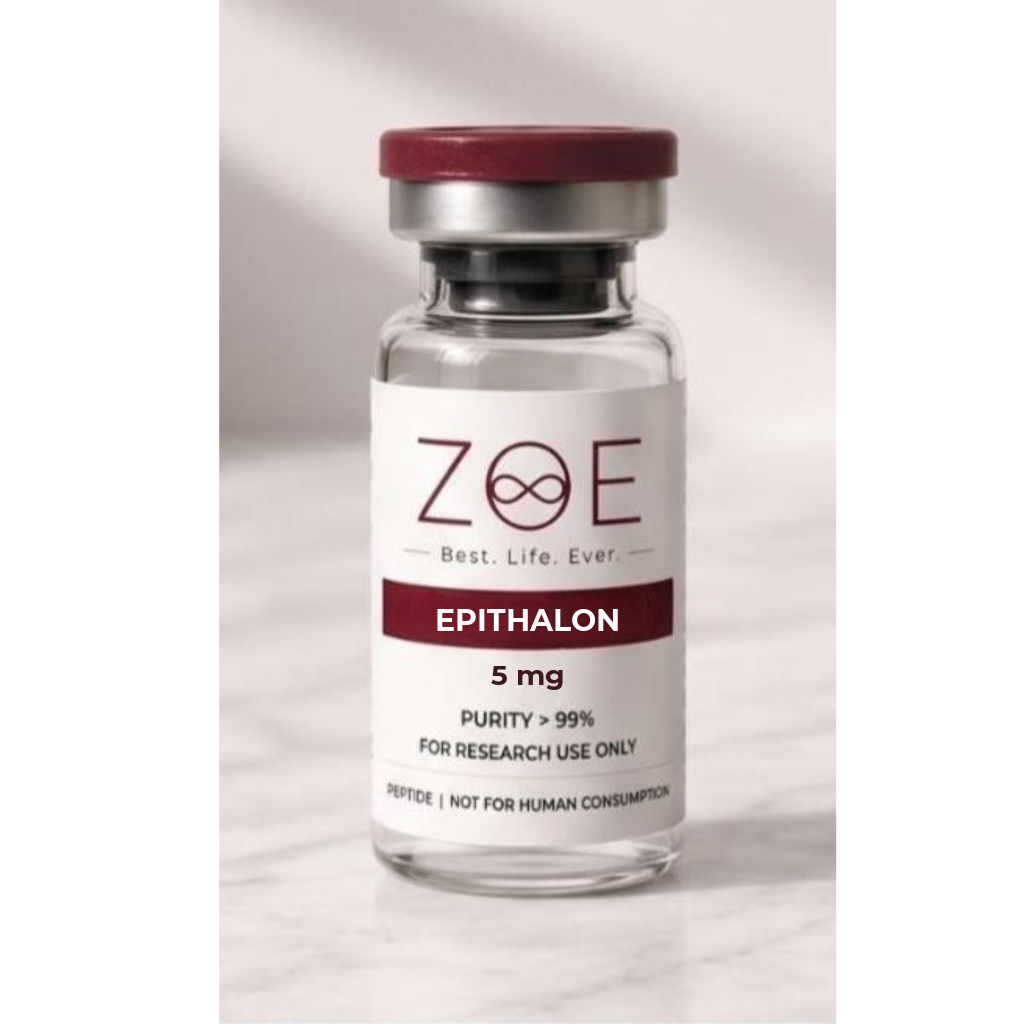
Epithalon (also known as Epitalon or Epithalamin ) is a synthetic tetrapeptide (Ala-Glu-Asp-Gly) derived from the natural pineal gland peptide Epithalamin. It has been extensively studied in Russian gerontology research for its potential to activate telomerase, support cellular longevity, and regulate circadian rhythm genes.
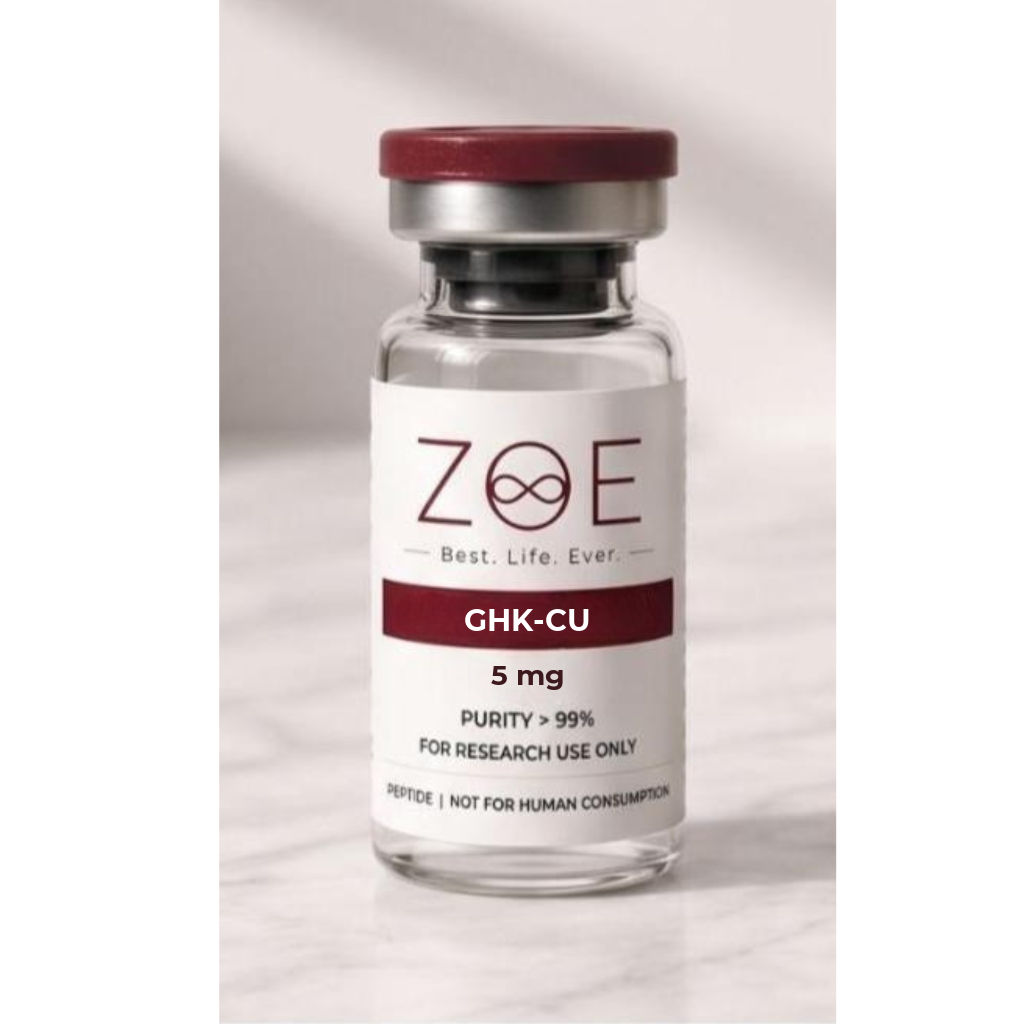
GHK-Cu (Copper Tripeptide-1) is a naturally occurring copper-binding peptide consisting of the amino acid sequence glycyl-L-histidyl-L-lysine complexed with copper (II). It is widely studied for its potential role in tissue remodeling, wound healing, and anti-inflammatory processes.
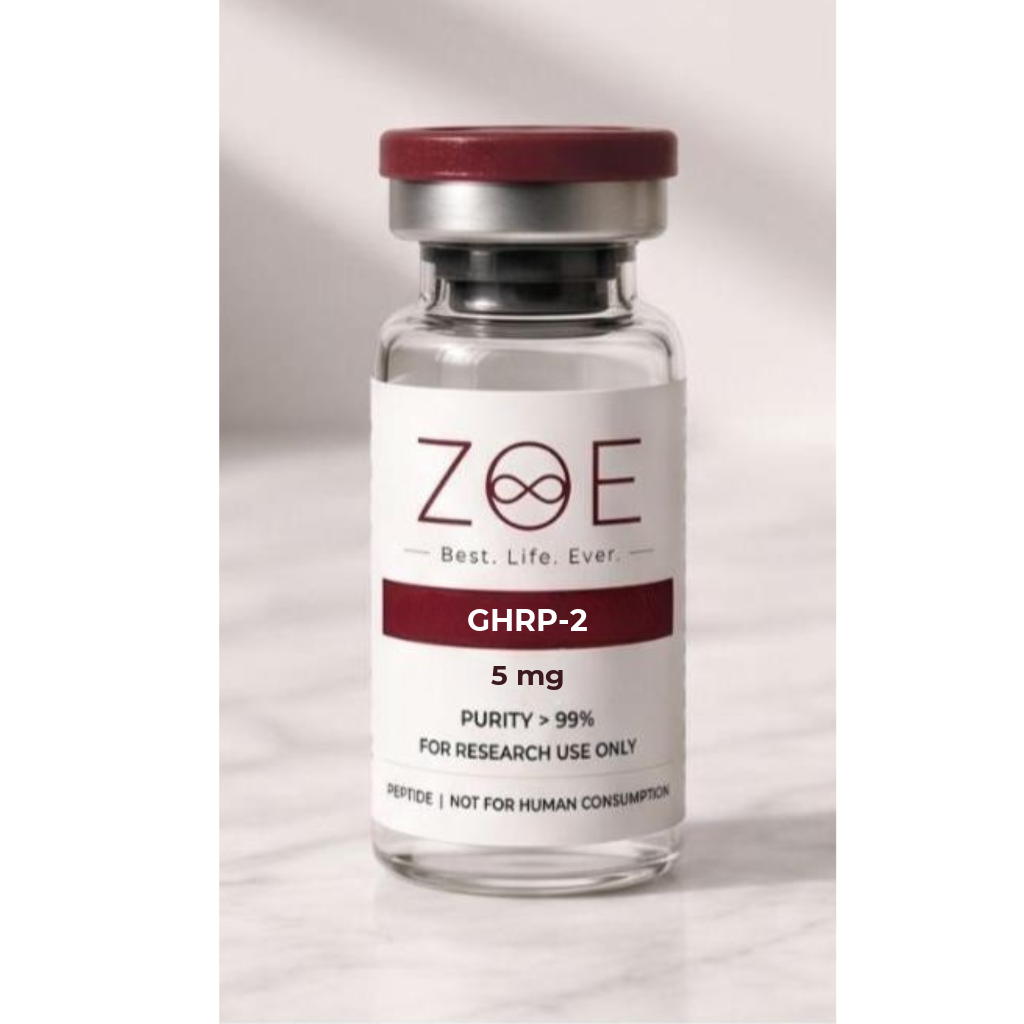
GHRP-2 (Growth Hormone Releasing Peptide-2) is a synthetic hexapeptide and ghrelin receptor (GHS-R1a) agonist that potently stimulates growth hormone (GH) release from the anterior pituitary. For Laboratory and Scientific Research Use Only.
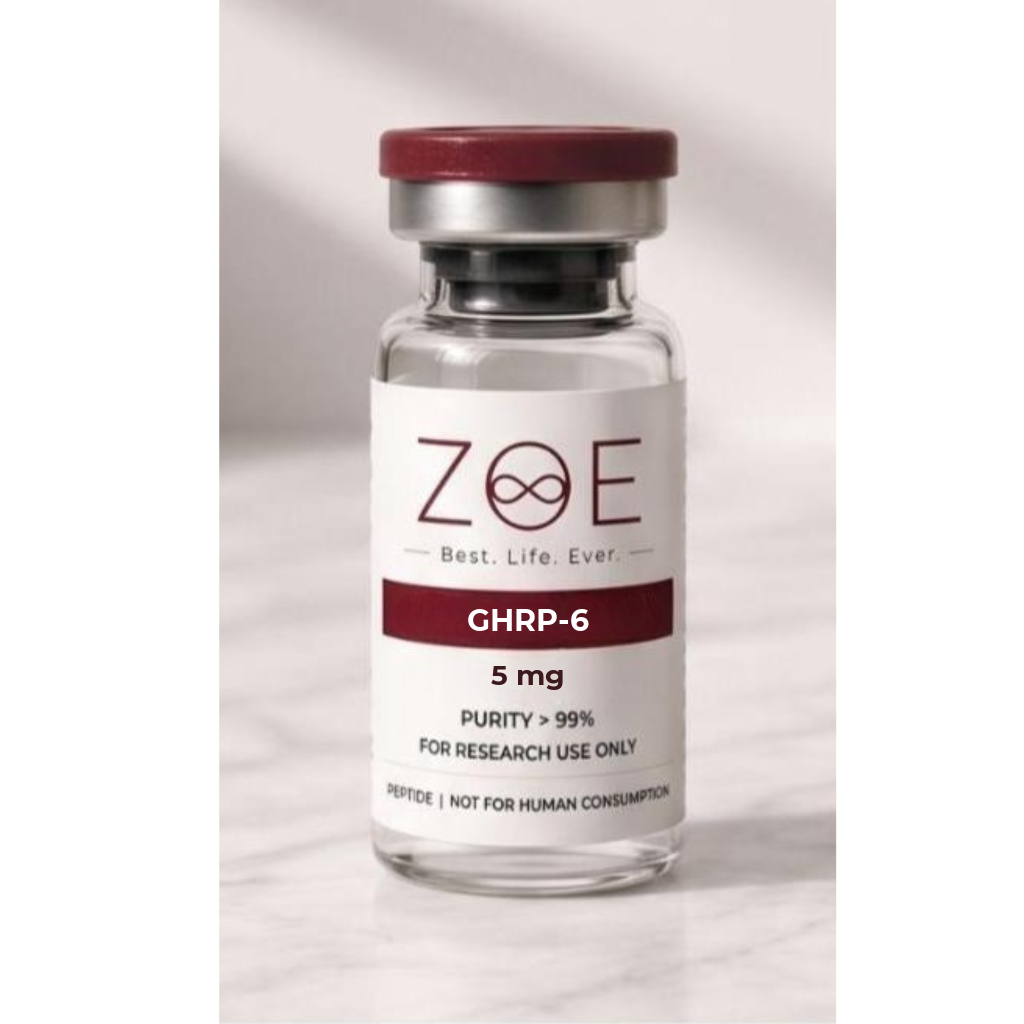
GHRP-6 (Growth Hormone Releasing Peptide-6) is a synthetic hexapeptide and potent ghrelin receptor (GHS-R1a) agonist, widely used in research to study growth hormone (GH) secretion, appetite regulation, and metabolic signaling. Its activity makes it a valuable tool in endocrinology, metabolism, and muscle growth studies. For Laboratory and Scientific Research Use Only.
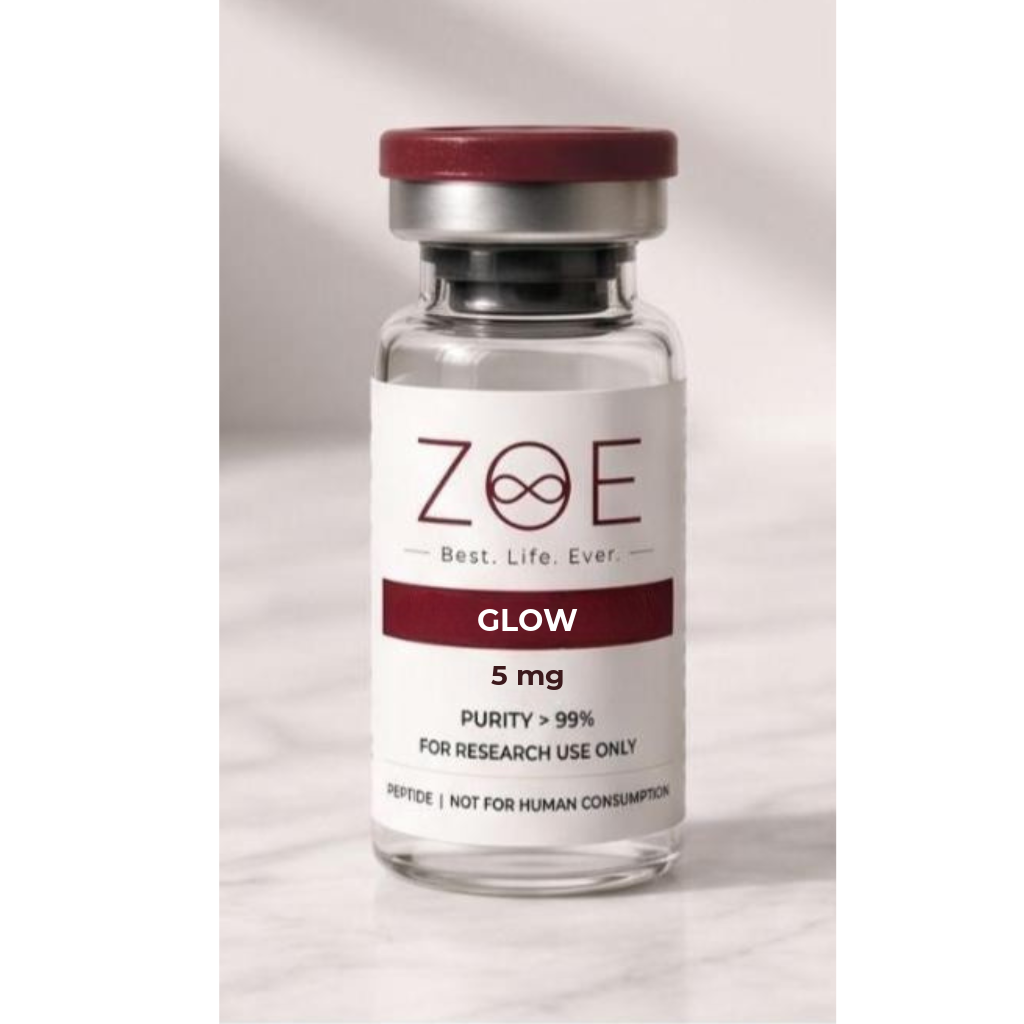
Glow Peptide is a research-grade peptide blend containing GHK-Cu (Copper Tripeptide-1), BPC-157 (Body Protection Compound-157), and TB-500 (Thymosin Beta-4 fragment). Researchers study Glow Peptide to better understand the combined effects of collagen synthesis stimulation, enhanced fibroblast activity, blood vessel growth, and accelerated wound healing.
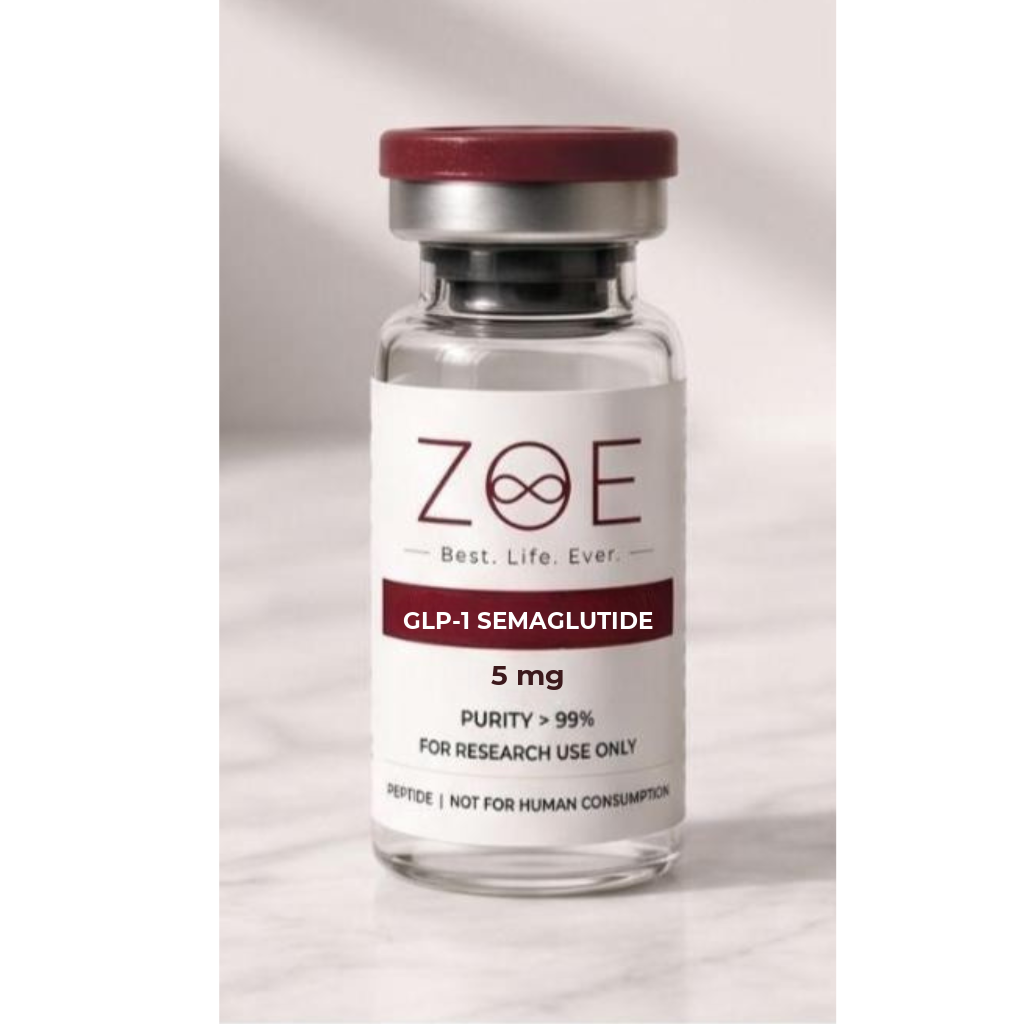
GLP-1S is a synthetic analogue of glucagon-like peptide-1 (GLP-1), designed for laboratory and scientific research only. Researchers study this compound for its unique role in metabolism regulation, insulin signaling, and cardiovascular pathways.
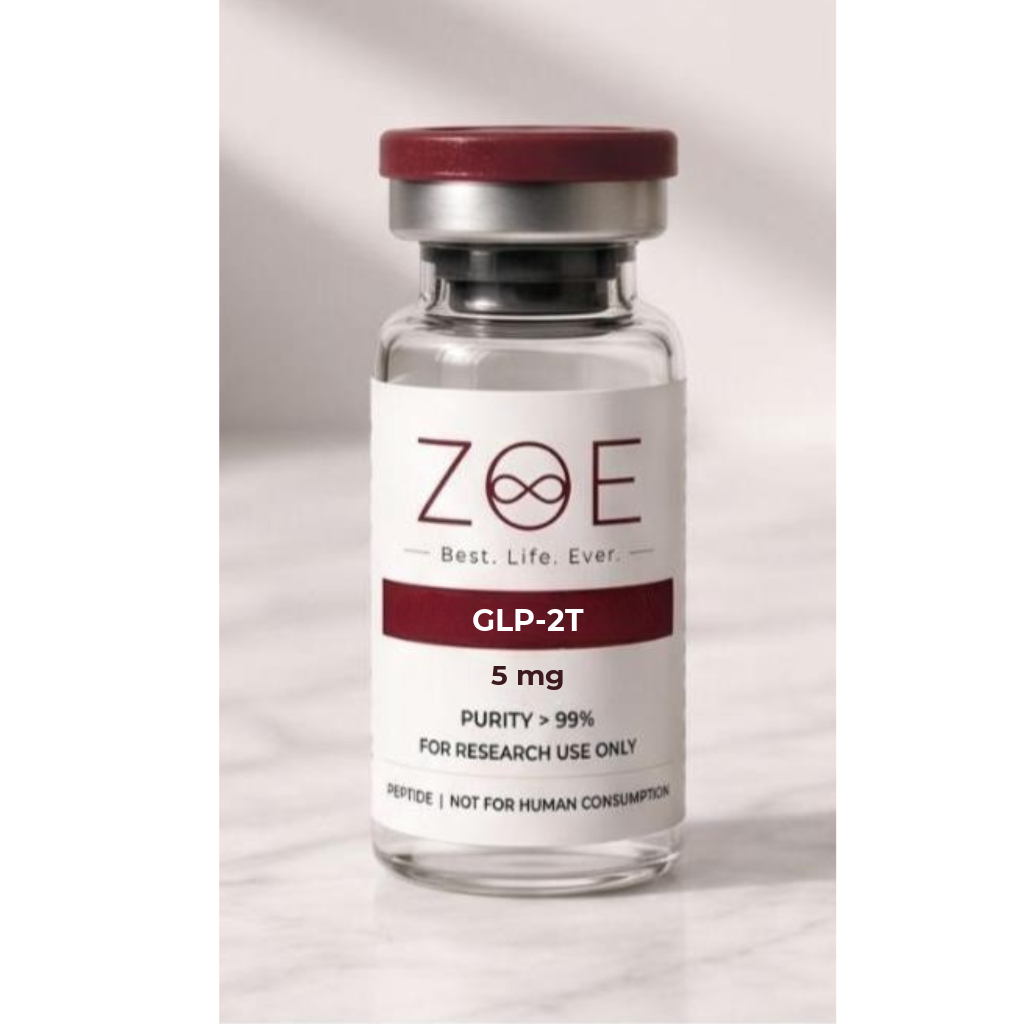
GLP-2T (Teduglutide analog) is a synthetic peptide based on Glucagon-Like Peptide-2, a 33-amino acid hormone. It is studied for its gastrointestinal and trophic effects, specifically its ability to stimulate intestinal mucosal growth, promote cellular regeneration, and enhance nutrient absorption pathways.
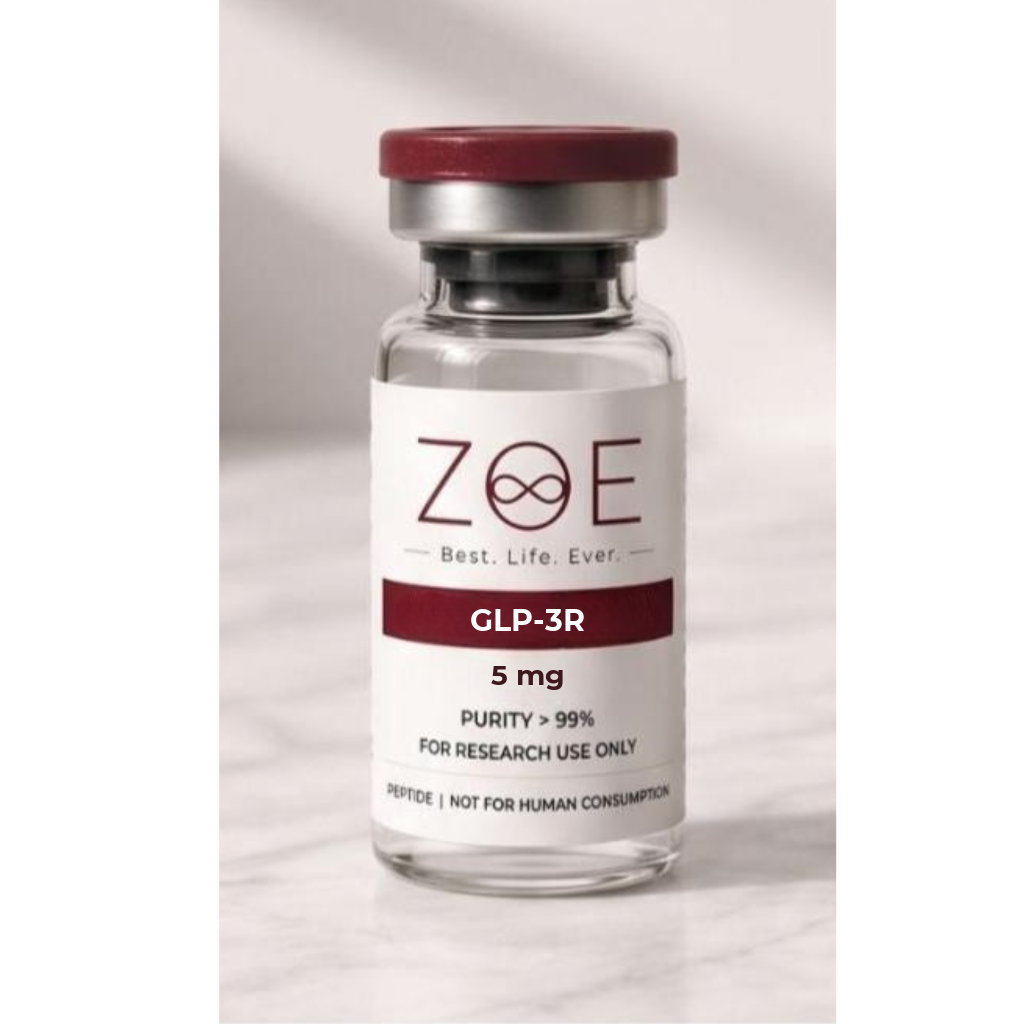
GLP-3R is a research-grade peptide agent investigated for its interactions with glucagon-like peptide receptor systems and cellular metabolic pathways. Researchers utilize this compound to study insulin secretion mechanisms, metabolic signaling, and glycemic control regulation in cell cultures and animal models.
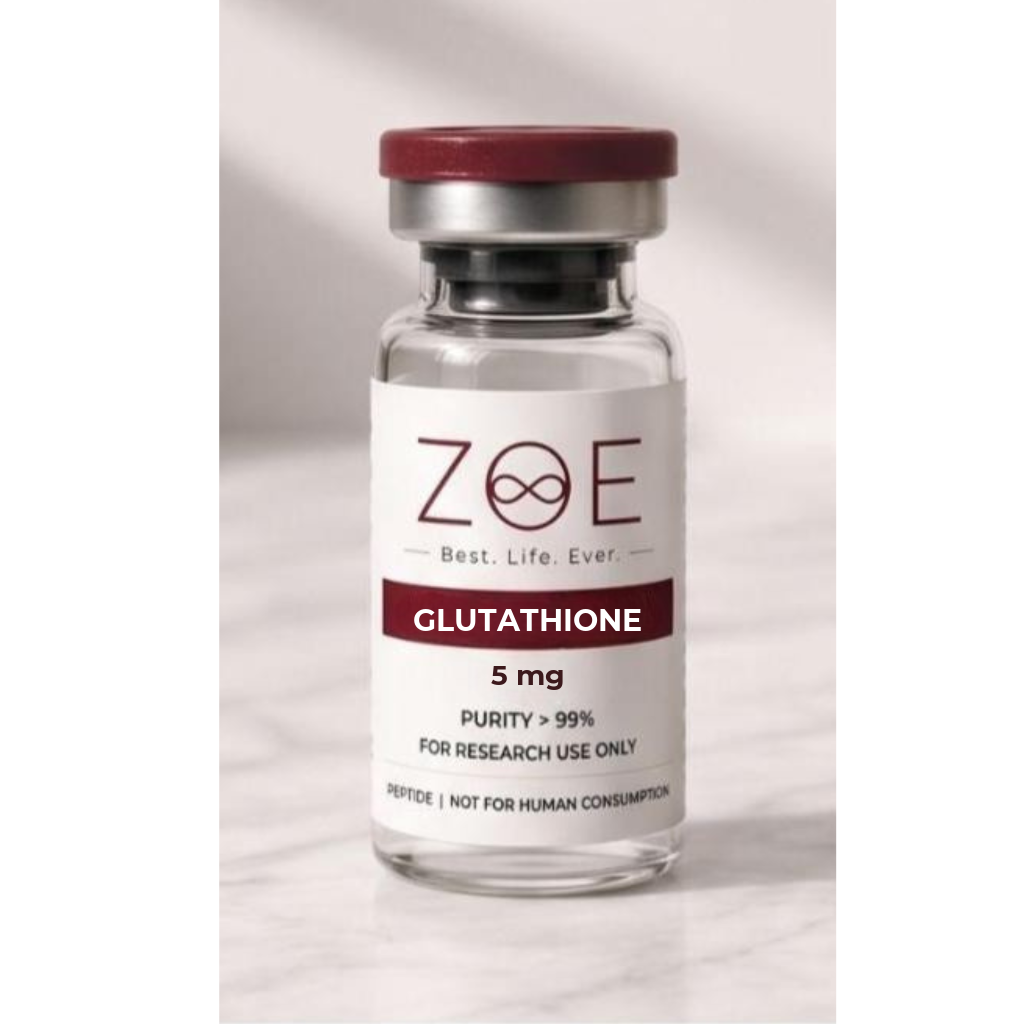
Glutathione (GSH) is a naturally occurring tripeptide composed of glutamate, cysteine, and glycine, and serves as one of the body’s most important intracellular antioxidants. It plays a critical role in redox homeostasis, detoxification, immune function, and regulation of cellular proliferation and apoptosis.
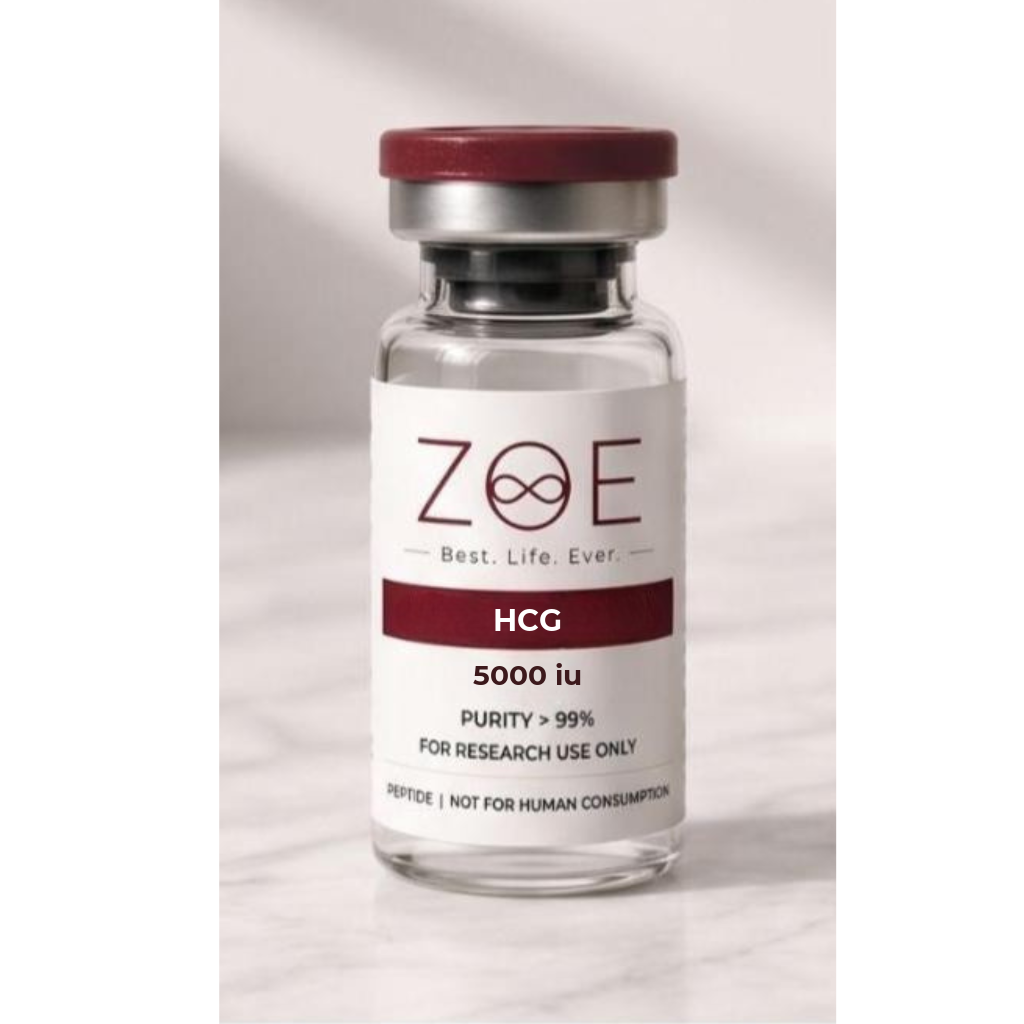
HCG (Human Chorionic Gonadotropin) is a naturally occurring glycoprotein hormone produced during pregnancy by the placenta. For Laboratory and Scientific Research Use Only.
Product Specifications: Lyophilized Powder (>99% purity) in 3ml vial. *Requires Reconstitution with solvent such as BAC Water. Application: Peptide for metabolism and weight management research Appearance: Solid, white powder in 3mL glass ampule Chemical Formula: C78H123N23O22S2 PubChem CID: 16131230 CAS Number: 221231-10-3 Molecular Weight: 848.
Human Growth Hormone (HGH), also known as Somatropin, is a peptide hormone widely studied for its role in growth signaling, cellular regeneration pathways, and metabolic regulation. This research-grade formulation is produced using advanced synthesis and purification techniques to ensure high purity and structural integrity.
HMG (Human Menopausal Gonadotropin) is a purified preparation of follicle-stimulating hormone (FSH) and luteinizing hormone (LH) obtained from the urine of postmenopausal women. It is widely used in research to study ovarian follicle development, spermatogenesis, steroidogenesis, and reproductive endocrinology.
IGF-1 LR3 (Long Arg3 Insulin-like Growth Factor-1) is a synthetic 83-amino acid analog of human IGF-1. Modified with an arginine substitution at position 3 and a 13-amino acid N-terminal extension, it exhibits significantly reduced binding to IGF-binding proteins (IGFBPs), leading to an increased half-life and enhanced potency for studying cellular growth, protein synthesis, and muscle hypertrophy.
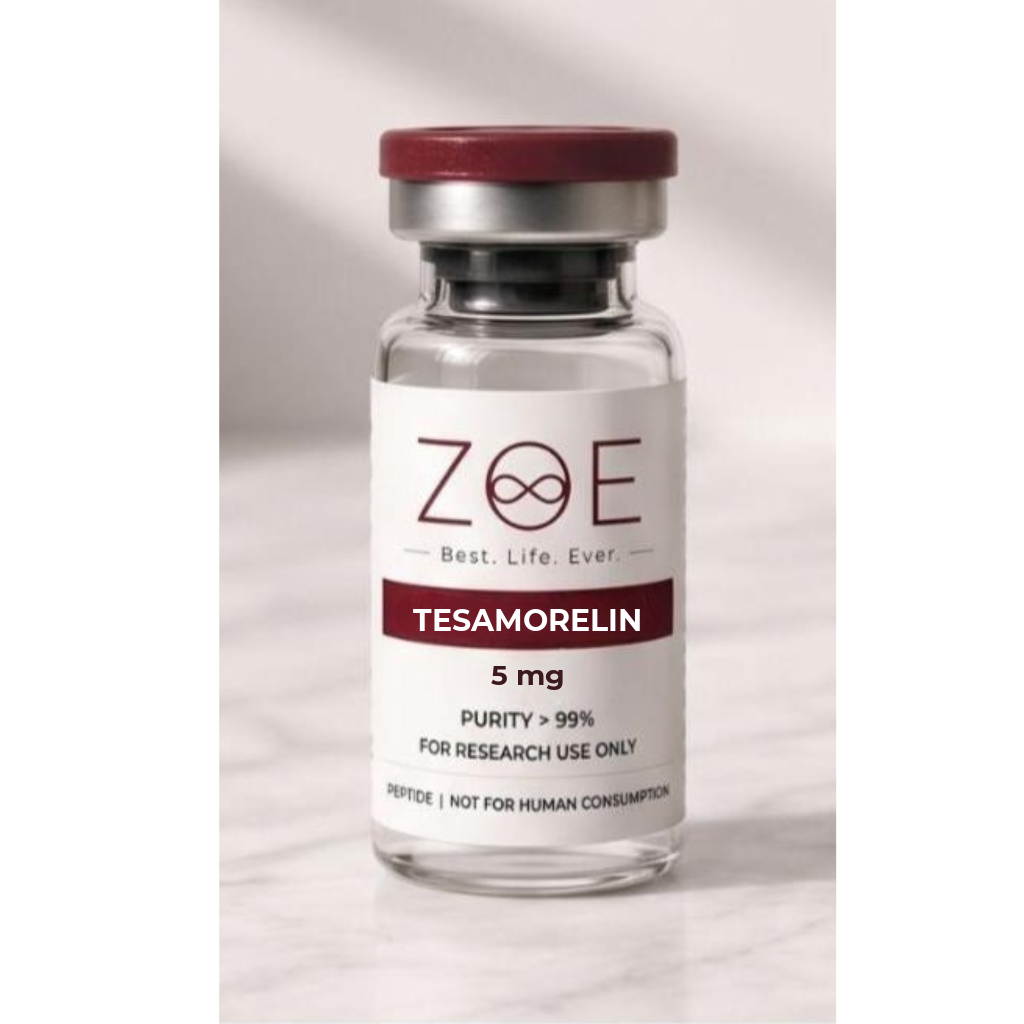
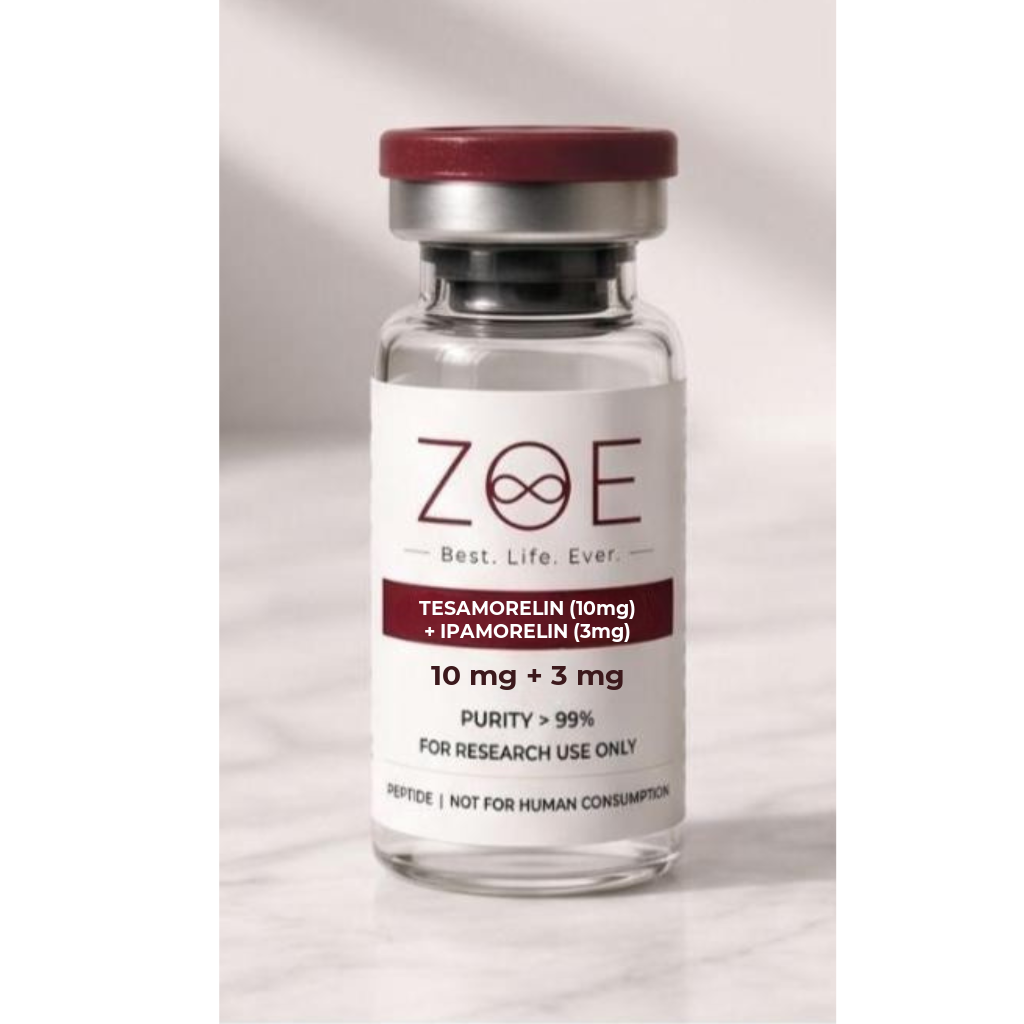
Tesamorelin/Ipamorelin is a dual peptide formulation combining two potent growth hormone–releasing compounds with complementary mechanisms of action. Tesamorelin is a synthetic analog of Growth Hormone–Releasing Hormone (GHRH) that stimulates GH secretion via direct activation of GHRH receptors in the pituitary.
Kisspeptin-10 is a decapeptide fragment derived from the KISS1 gene product. It functions as a potent endogenous ligand for the G-protein coupled receptor GPR54. Research focuses on its role as a master regulator of the hypothalamic-pituitary-gonadal (HPG) axis, triggering the release of gonadotropin-releasing hormone (GnRH) and orchestrating reproductive endocrine pathways.
KLOW is a research peptide blend that combines GHK-Cu (Copper Tripeptide-1), BPC-157 (Body Protection Compound-157), TB-500 (Thymosin Beta-4 fragment), and KPV (Lys-Pro-Val) into a single synergistic formulation. This advanced combination builds on the “GLOW” blend by adding KPV to further target immune modulation and anti-inflammatory pathways.
This peptide fragment is widely studied for its ability to reduce pro-inflammatory cytokine production and modulate immune system signaling. Researchers use KPV in studies focused on gut inflammation, skin barrier function, immune regulation, and chronic inflammatory conditions. It is especially relevant for models of colitis, dermatitis, and systemic inflammation.
This synergistic combination supports studies on lipid oxidation, methylation pathways, and mitochondrial energy metabolism, making it an important formulation for metabolic research. Researchers use Lipo C to investigate fat utilization, liver detoxification, and metabolic signaling pathways involved in lipid breakdown and energy regulation.
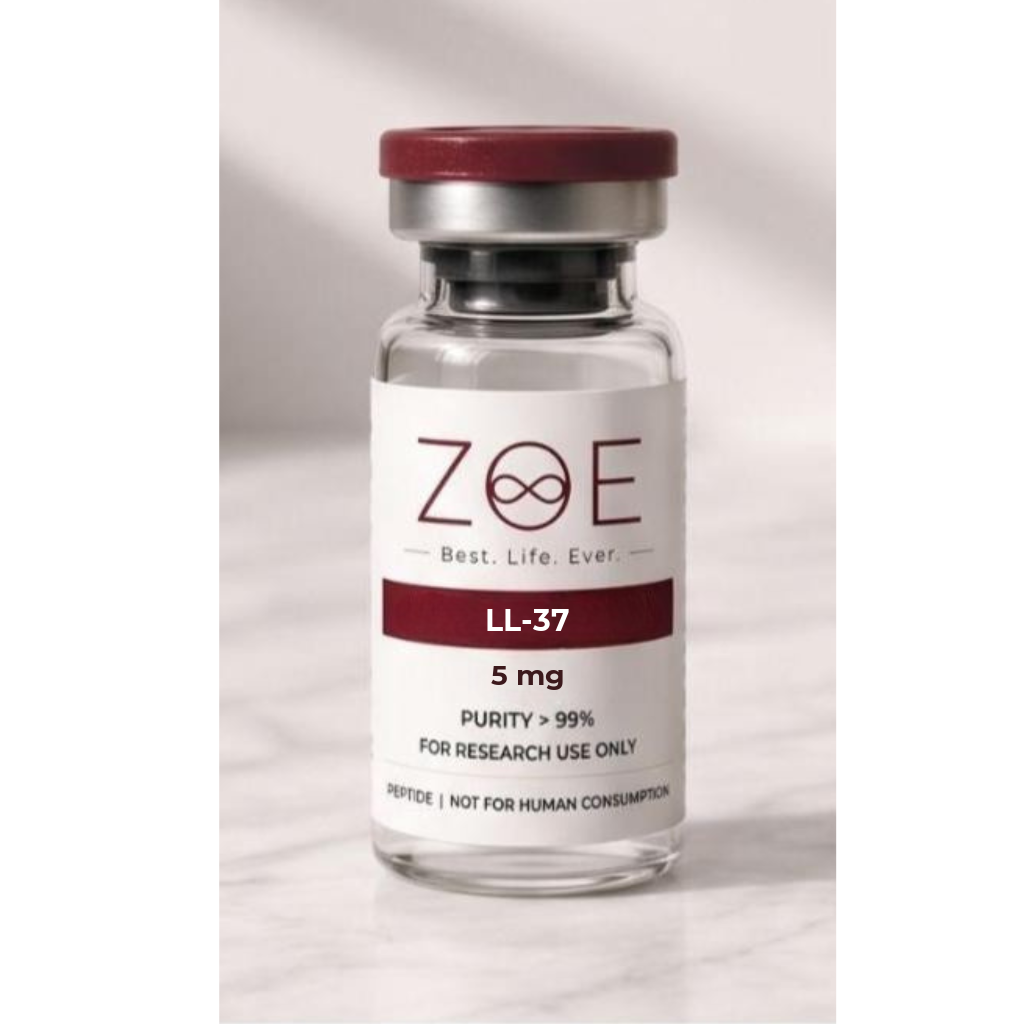
LL-37 is the only known human cathelicidin-derived antimicrobial peptide, consisting of 37 amino acids. It is a key effector molecule of the innate immune system, with potent broad-spectrum antimicrobial activity against bacteria, viruses, and fungi, as well as immunomodulatory properties.
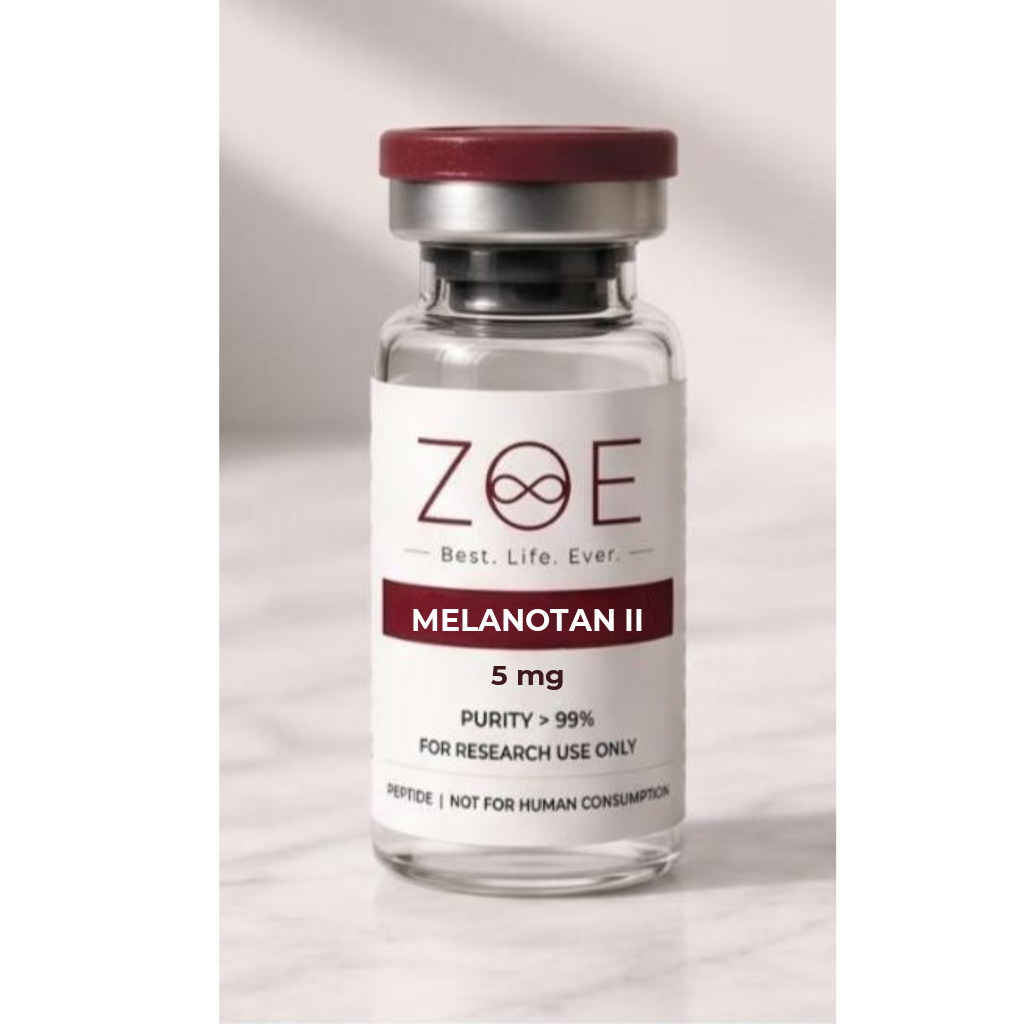
Melanotan II (MT-II) is a synthetic analogue of alpha-melanocyte-stimulating hormone (α-MSH) that acts as a non-selective melanocortin receptor agonist. It is widely used in research to study melanogenesis, sexual behavior, appetite regulation, and energy homeostasis.
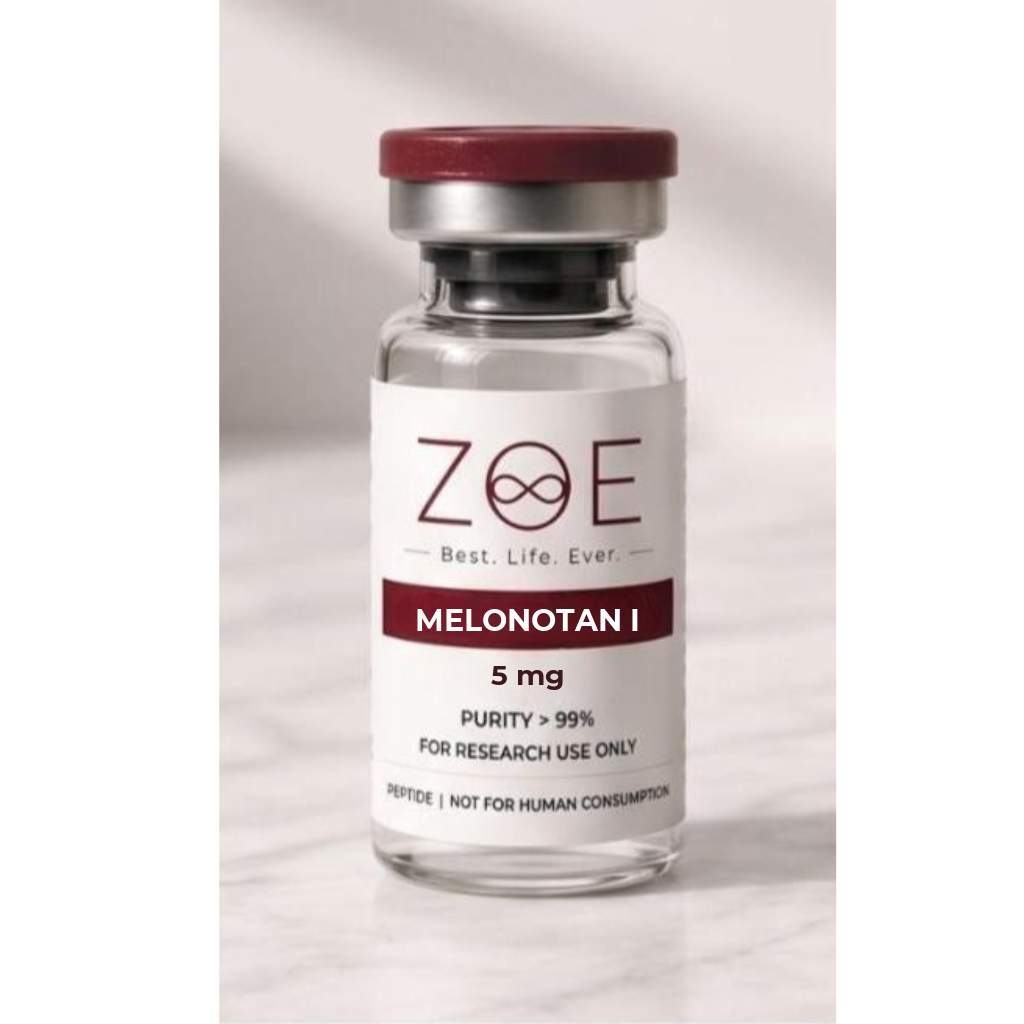
Melanotan I (Afamelanotide) is a synthetic, linear 13-amino acid peptide analog of alpha-melanocyte stimulating hormone (α-MSH). It acts as a non-selective agonist of melanocortin receptors (primarily MC1R), and is extensively studied for its ability to stimulate melanogenesis (e.g., eumelanin production) and investigate photoprotective skin tanning mechanisms.
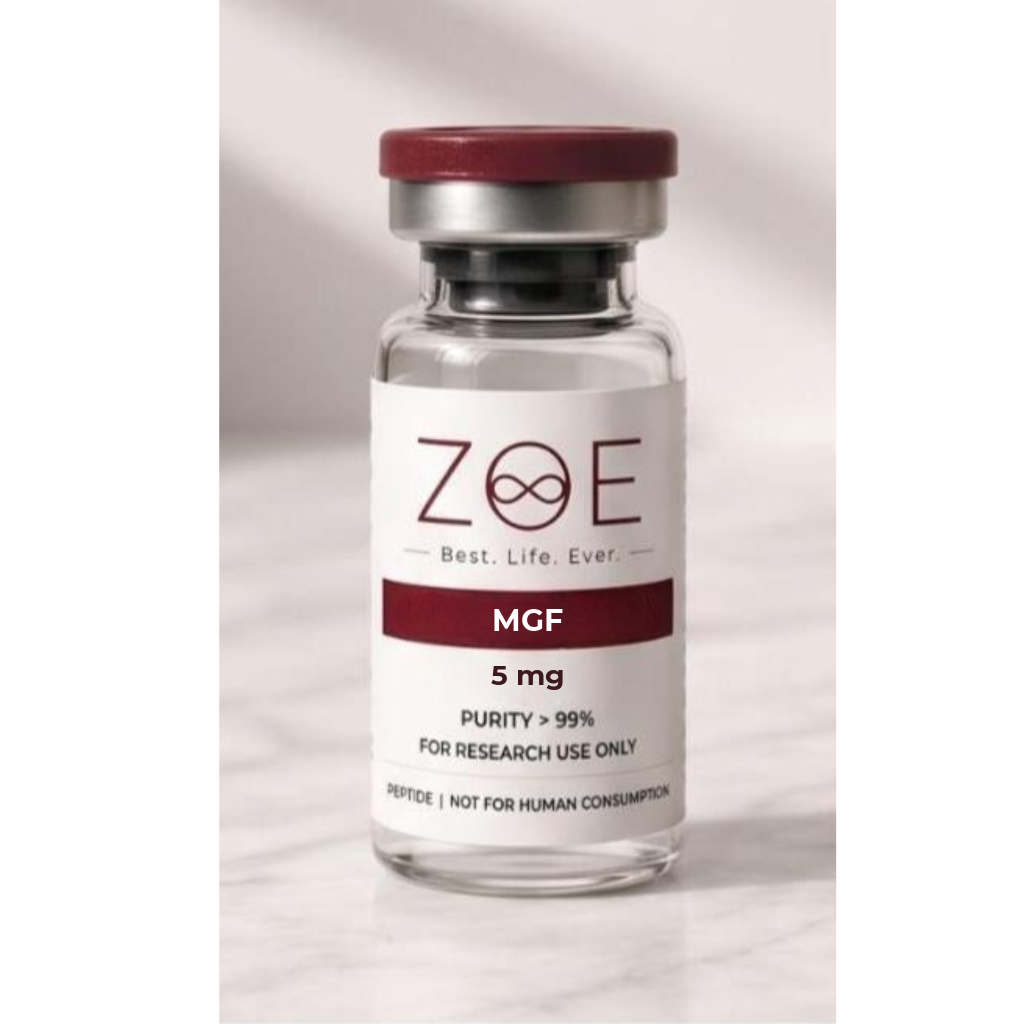
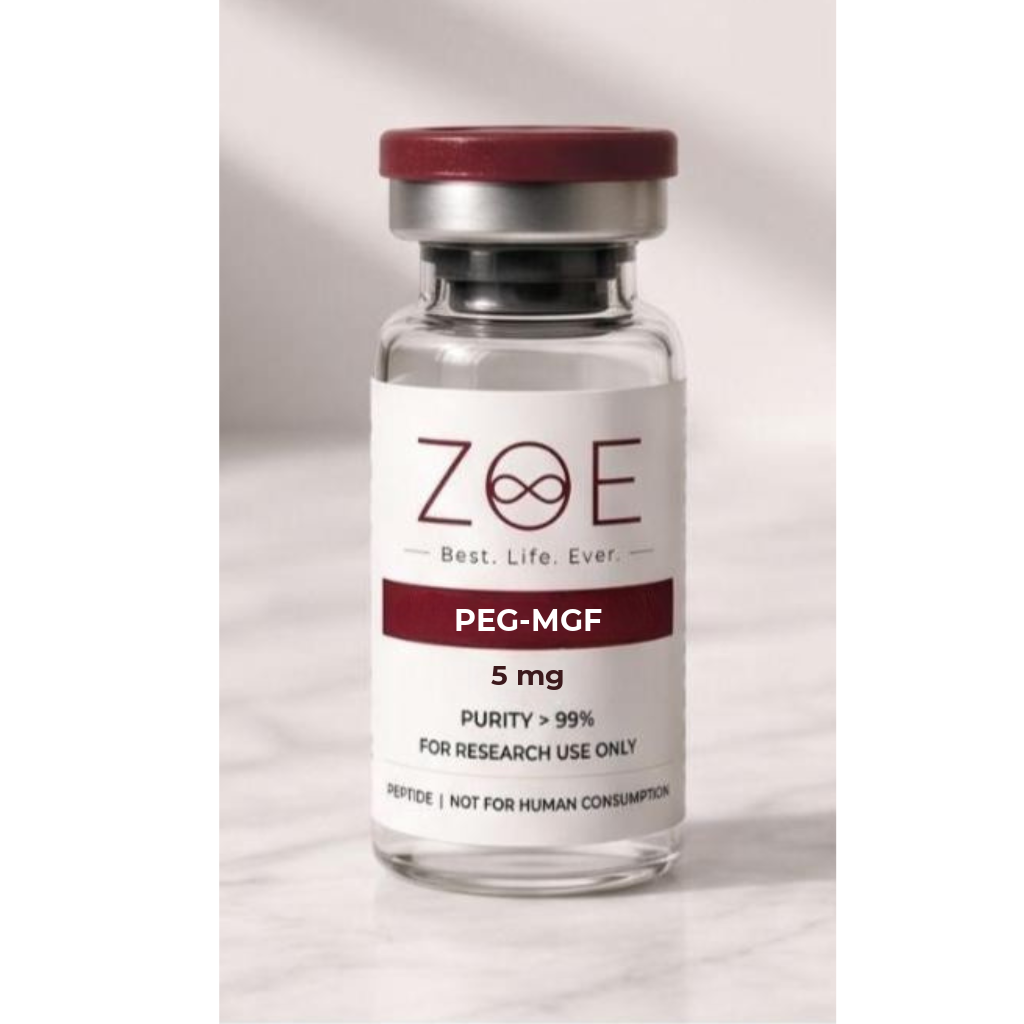
PEG-MGF (Pegylated Mechano Growth Factor) is a pegylated form of MGF, an isoform of insulin-like growth factor-1 (IGF-1) expressed in response to mechanical stress and muscle damage. Pegylation extends the peptide’s half-life, allowing sustained activity in research applications.
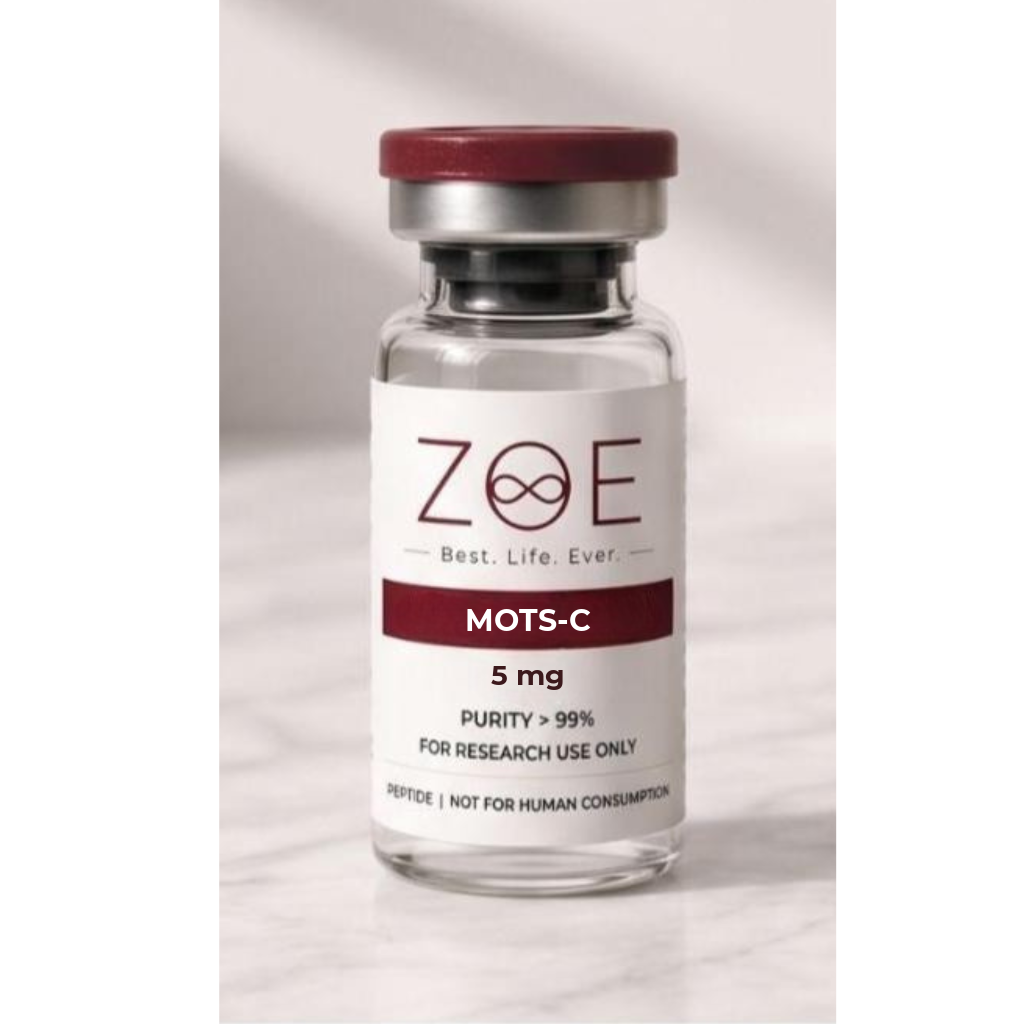
MOTS-c is a mitochondrial-derived peptide (MDP) consisting of 16 amino acids, encoded within the mitochondrial 12S rRNA gene. This research compound has gained attention for its role in metabolic regulation and cellular stress response pathways.
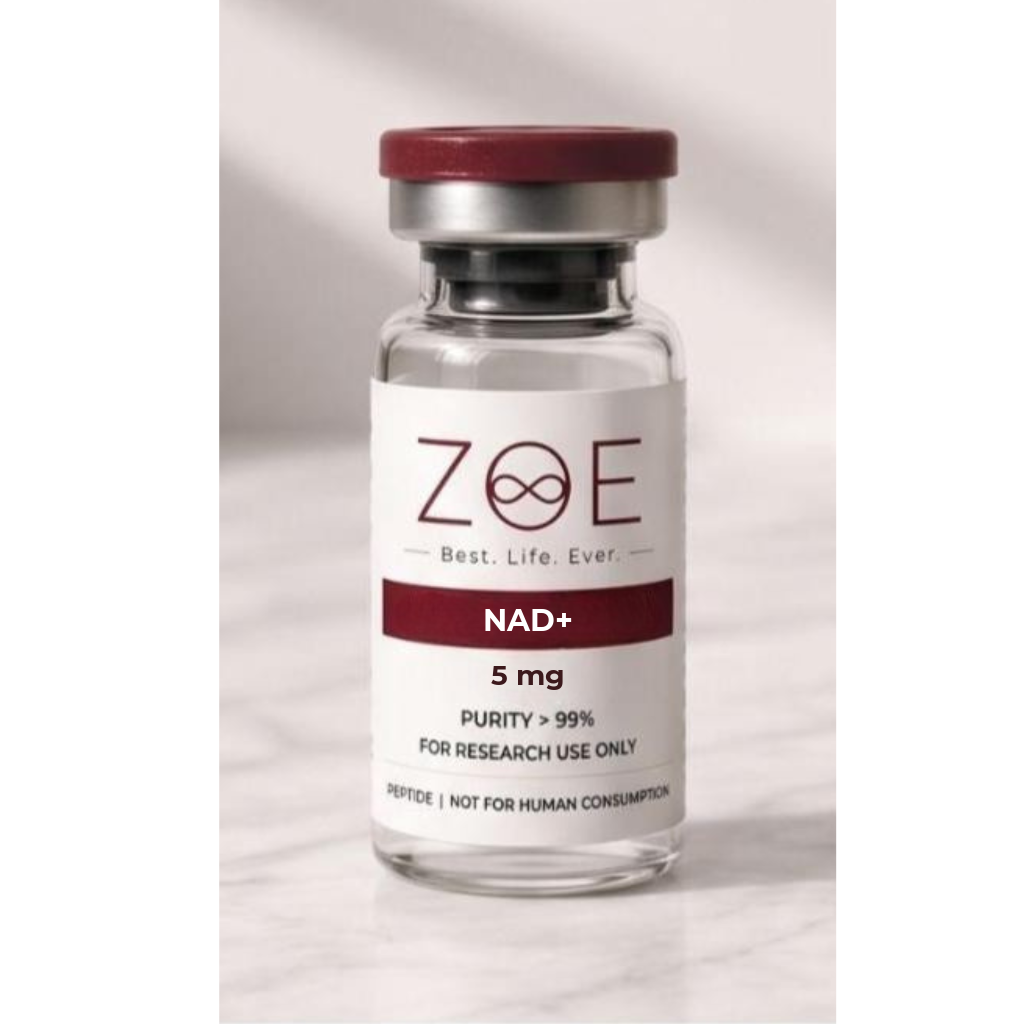
NAD+ (Nicotinamide Adenine Dinucleotide) is a vital coenzyme found in all living cells. It plays a central role in cellular metabolism, acting as an electron carrier in redox reactions and influencing multiple biological pathways. In scientific research, NAD+ has become a focal point for studies related to energy metabolism, mitochondrial function, aging, and stress responses.
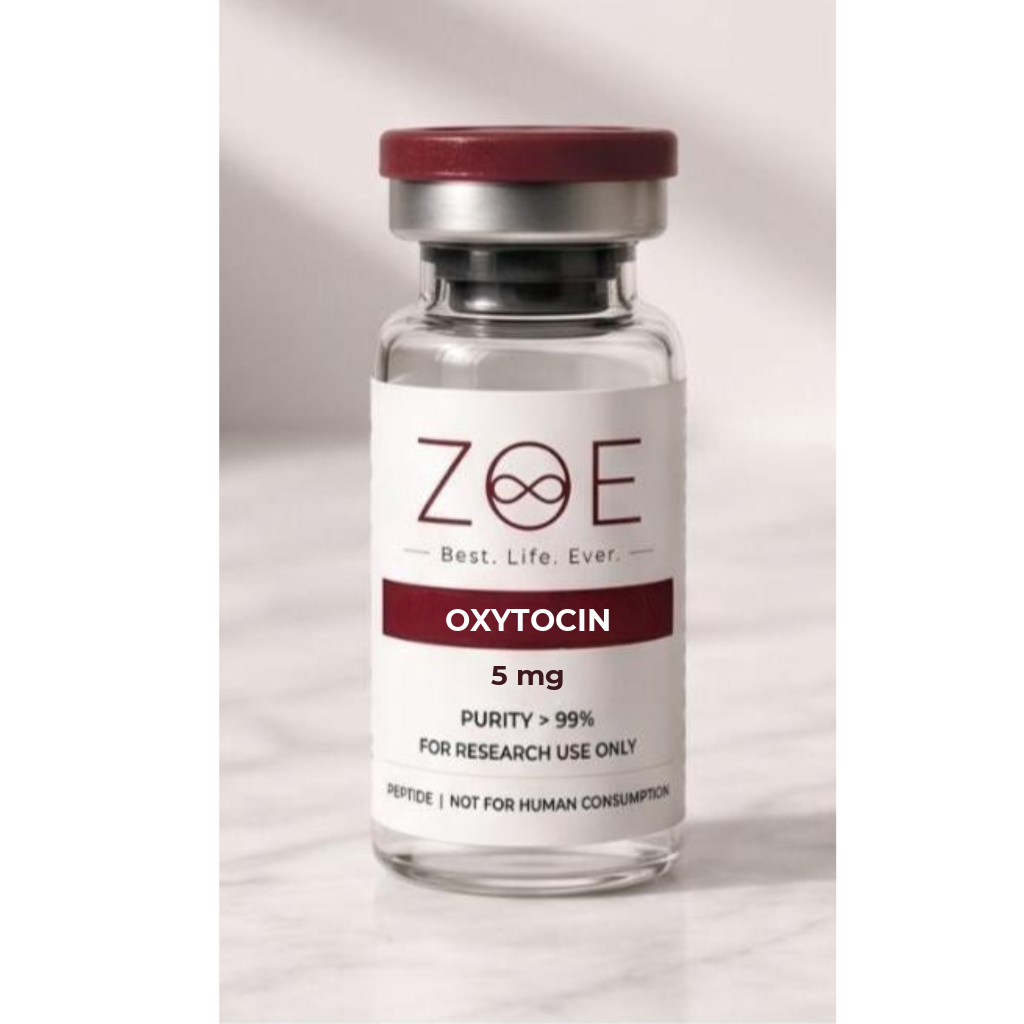
Oxytocin is a cyclic nonapeptide hormone synthesized in the hypothalamus and secreted by the posterior pituitary. It plays a critical role in social bonding, stress modulation, reproduction, and parturition. It is also studied for its role in neuropsychiatric and stress-related disorders. For Laboratory and Scientific Research Use Only.
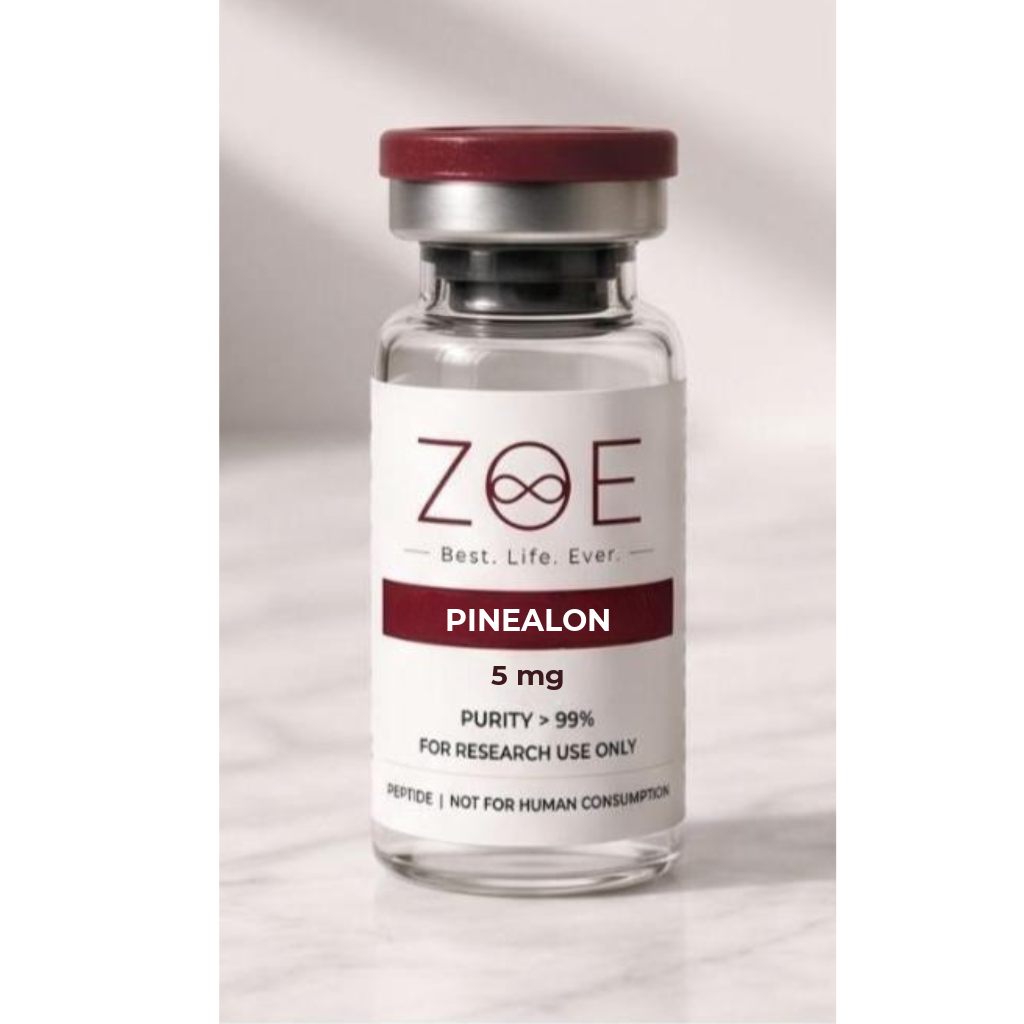
Pinealon is a synthetic tripeptide (Glu-Asp-Arg) developed from Russian peptide bioregulator research and designed to target neuroendocrine and cognitive functions. Researchers use Pinealon in studies of neurodegeneration, learning and memory, epigenetic regulation, and cellular senescence, making it an important tool for aging and neurobiology research.
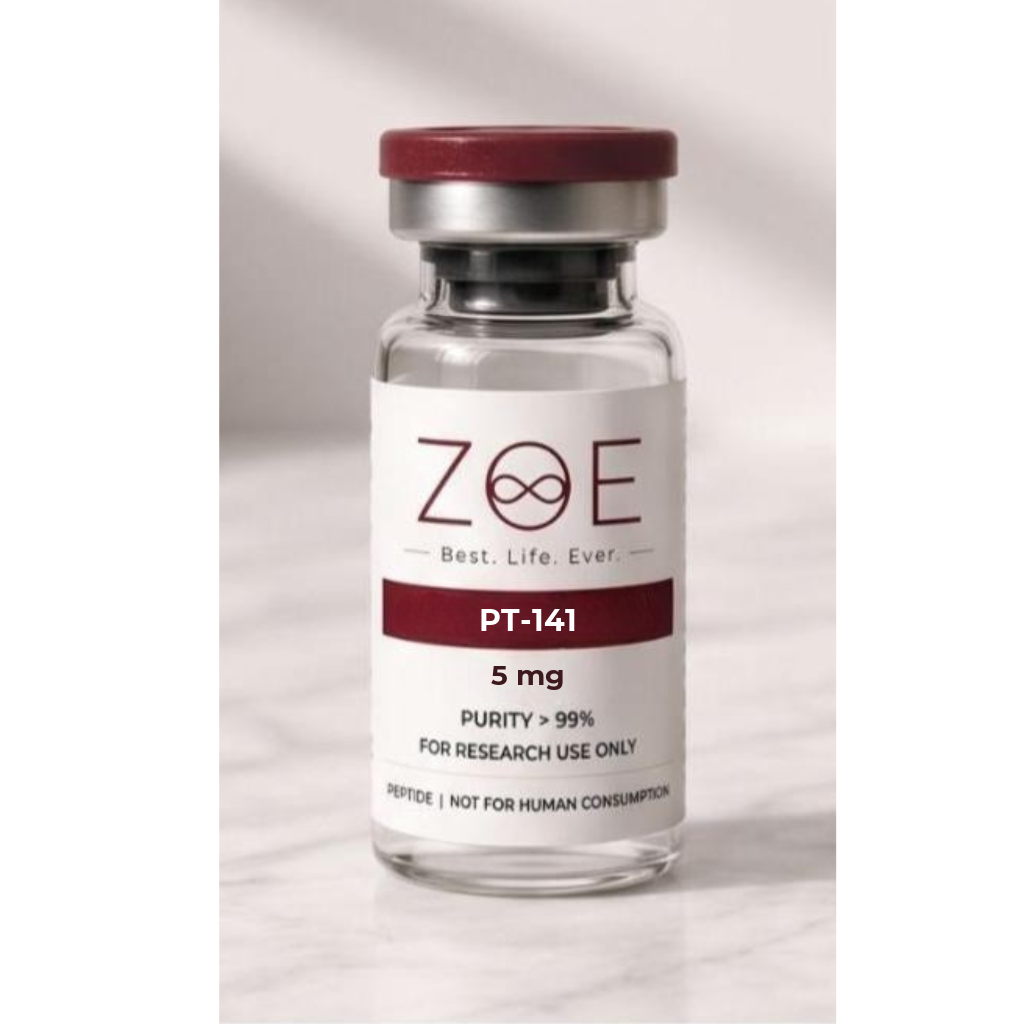
As a research compound, PT-141 has gained attention for its unique mechanism of action, distinct from traditional compounds studied in sexual health, metabolism, and neurological fields. Researchers study PT-141 to better understand its molecular properties, signaling effects, and possible relevance in multiple biological processes.
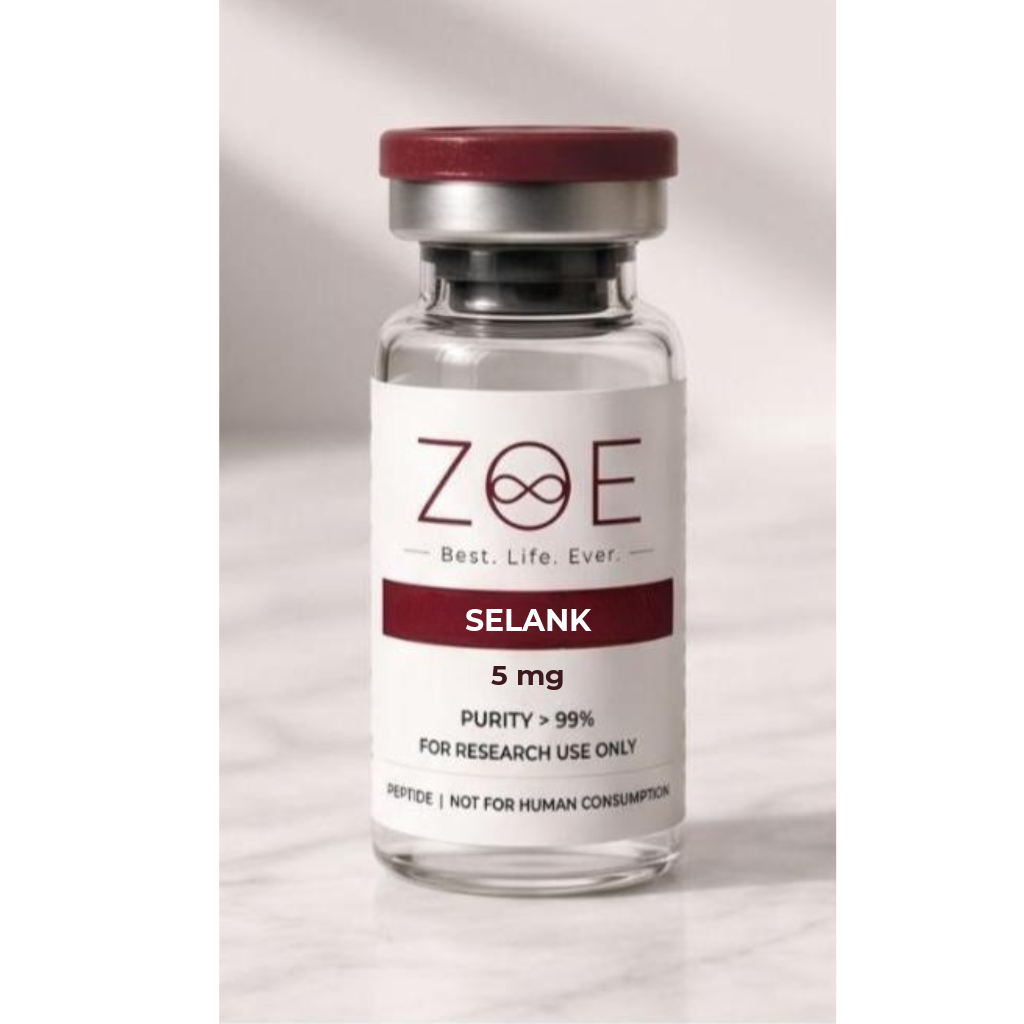
Selank is a synthetic peptide analog of the endogenous tetrapeptide tuftsin, developed for neuroscience and immunology research. This research compound is widely studied for its potential role in regulating neurotransmitters, modulating immune response, and influencing stress resilience.
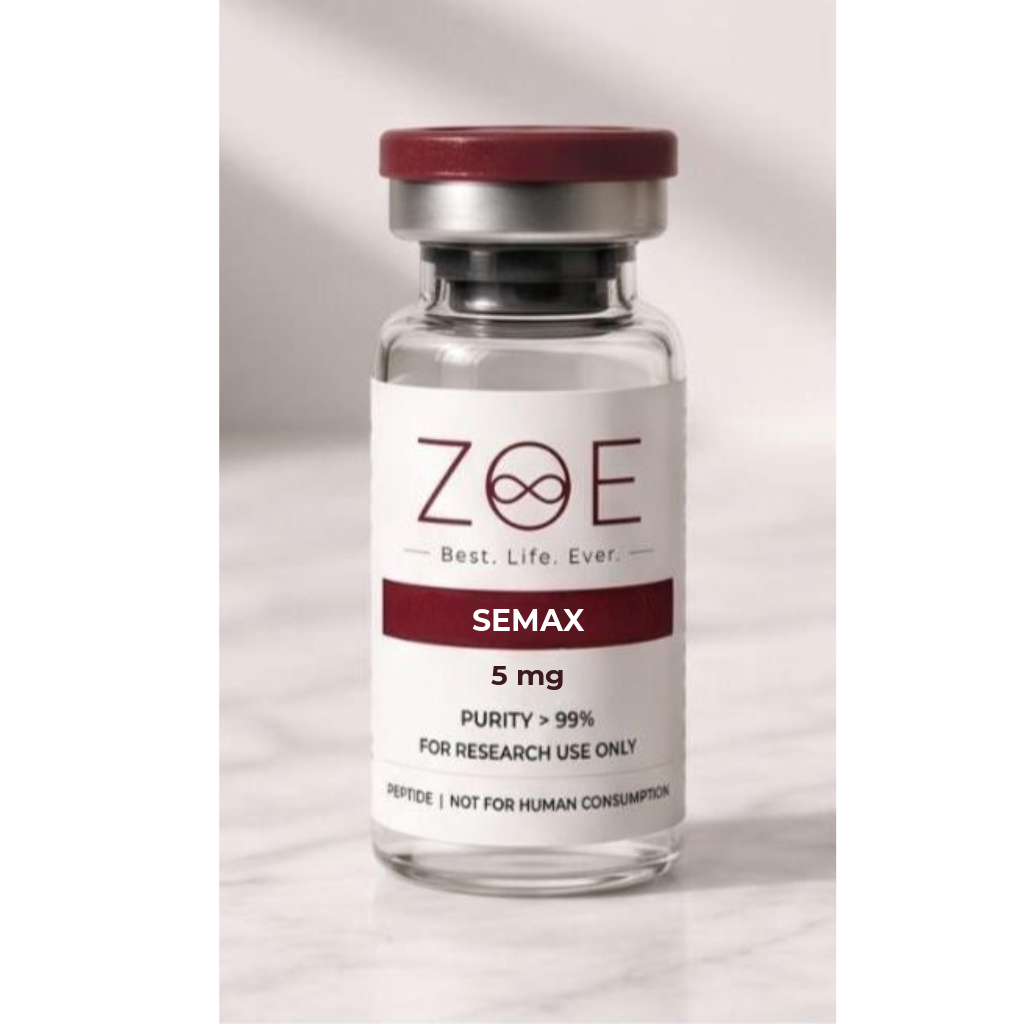
Semax is a synthetic analogue of the adrenocorticotropic hormone fragment ACTH(4-10), engineered for enhanced stability and prolonged action. Researchers use Semax to explore BDNF regulation, dopaminergic and serotonergic activity, neuroplasticity, and recovery after ischemic injury.
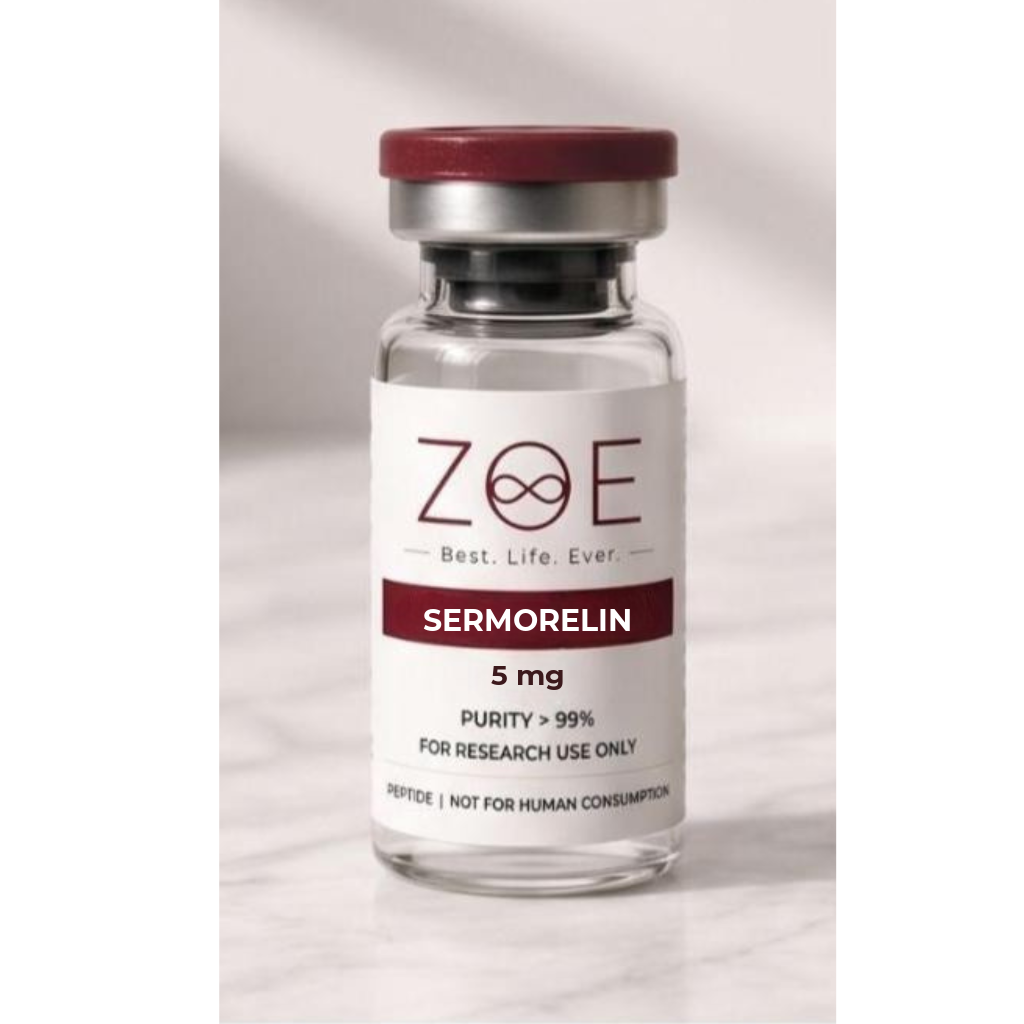
Sermorelin (also known as GRF 1-29 or Sermorelin Acetate ) is a synthetic peptide analogue of the first 29 amino acids of growth hormone-releasing hormone (GHRH) — the biologically active fragment responsible for stimulating GH secretion. Researchers use Sermorelin to study pituitary GH secretion, IGF-1 production, and the regulation of the GH/IGF-1 axis.
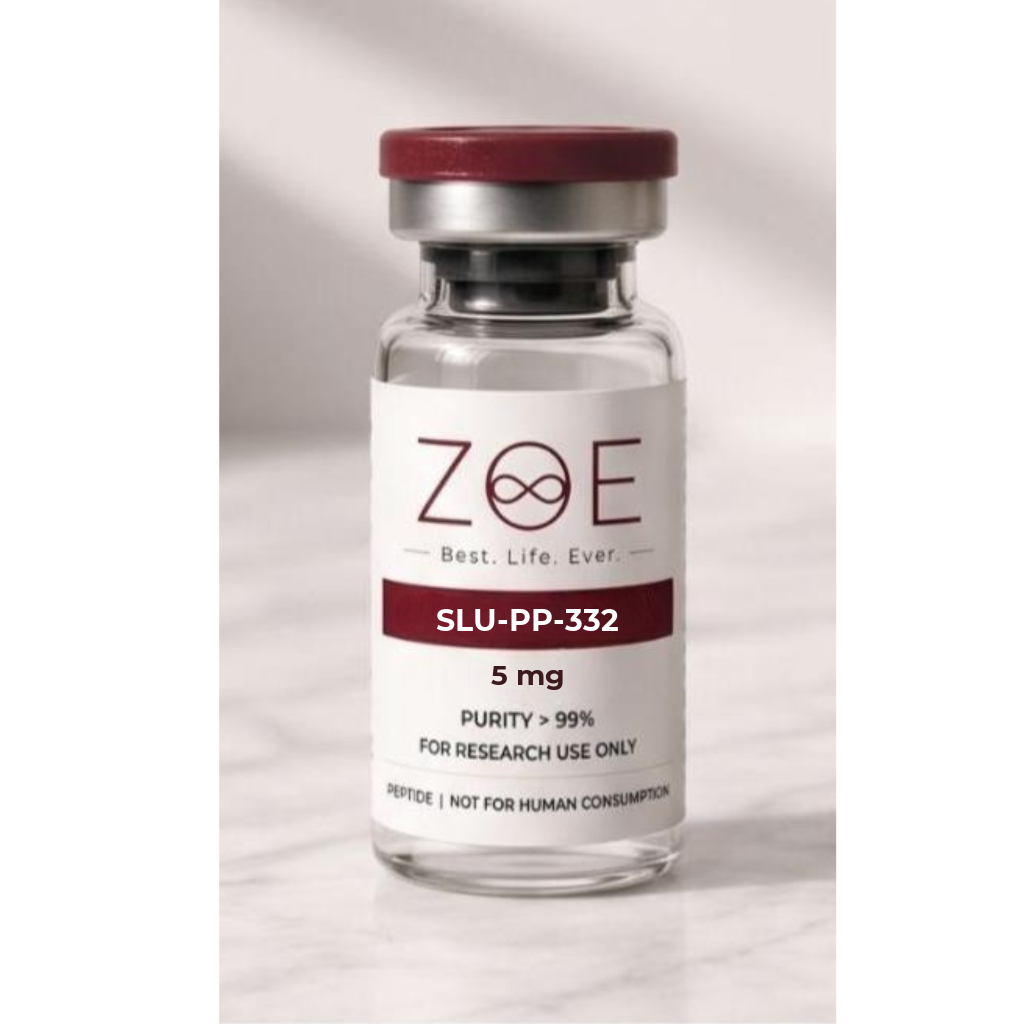
SLU-PP-332 is a synthetic agonist of the Estrogen‑Related Receptor alpha (ERRα) (and related ERRβ/γ) nuclear receptors. It has emerged as a tool in research for exploring mitochondrial biogenesis, energy metabolism, fat oxidation, and “exercise mimetic” pathways. For laboratory and scientific research only.
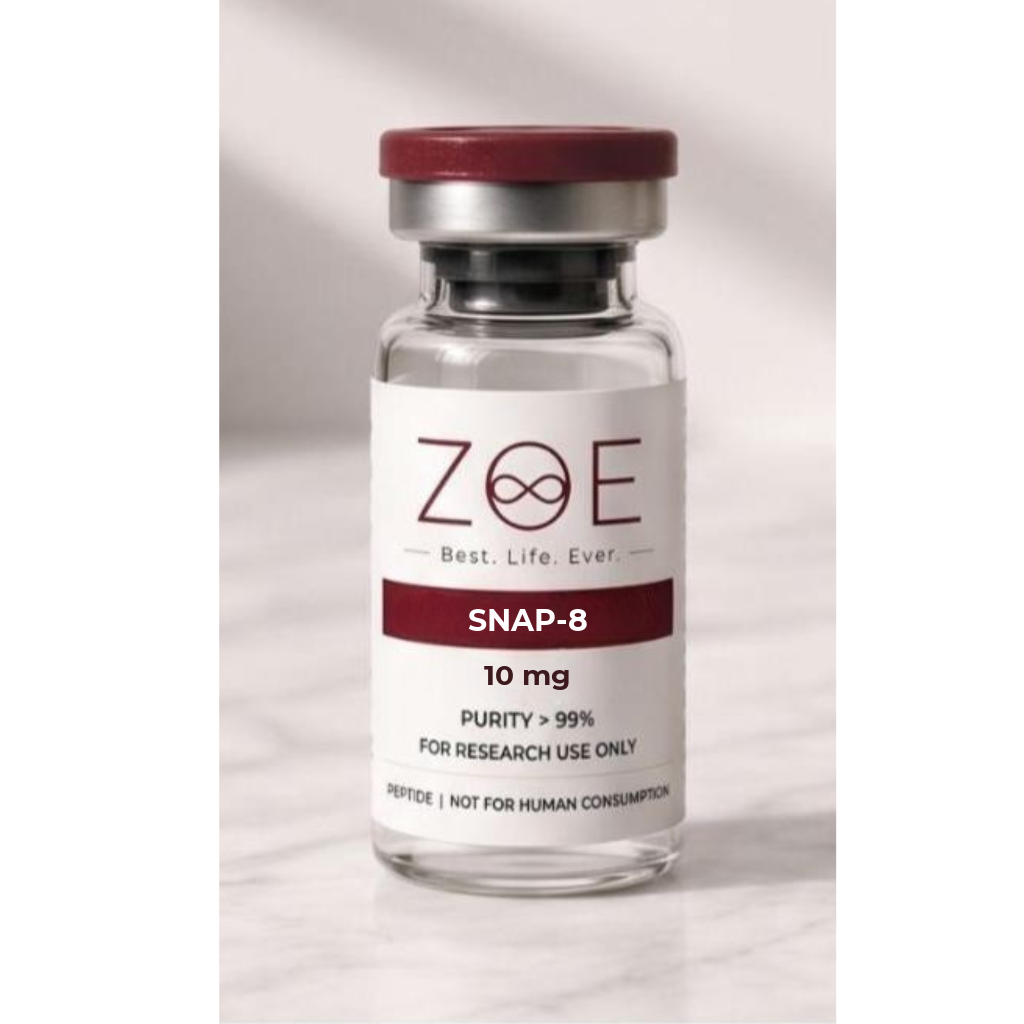
Snap-8 (Acetyl Octapeptide-3) is an octapeptide designed as a modern alternative to botulinum toxin. In research, it is studied for its ability to inhibit vesicle docking at the neuromuscular junction by destabilizing the SNARE complex, thereby reducing muscle contraction intensity and serving as a key compound for anti-wrinkle skin research.
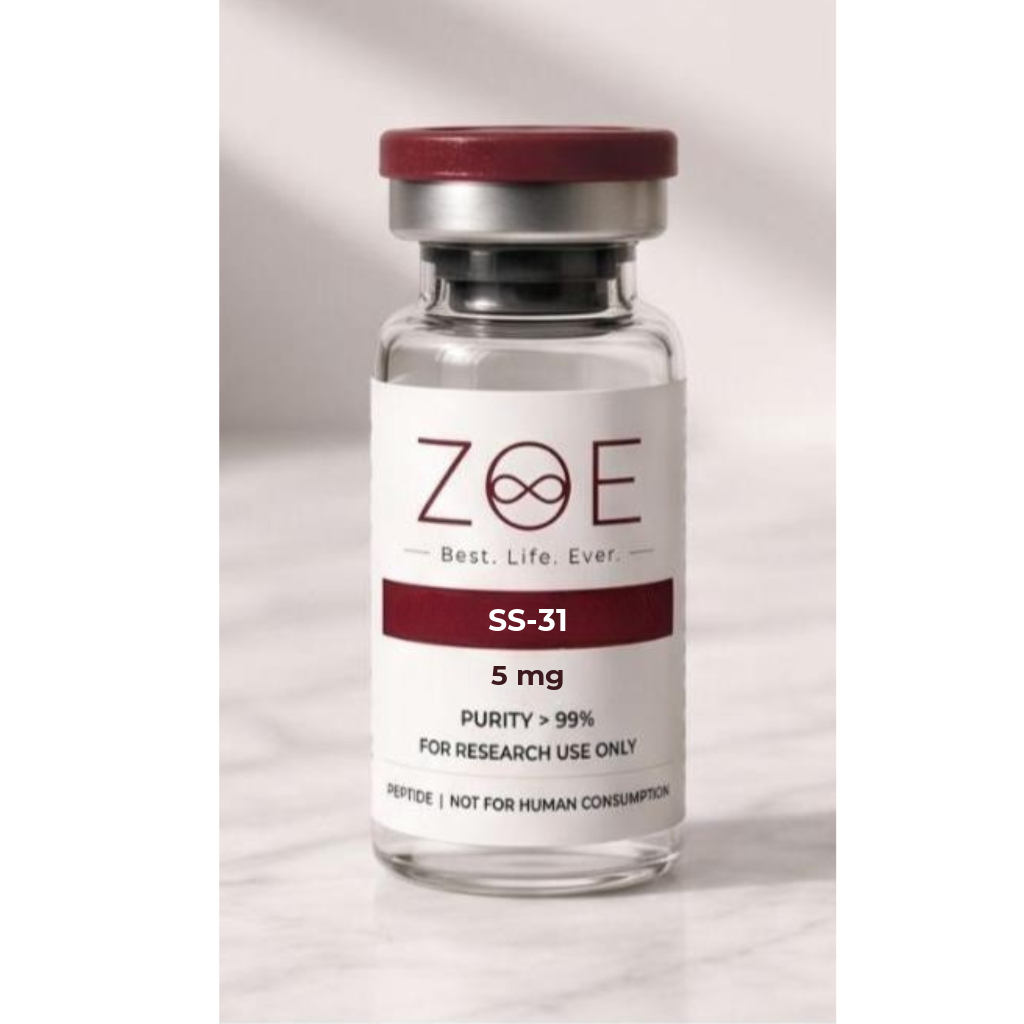
SS-31 (also known as Elamipretide or MTP-131 ) is a cell-permeable tetrapeptide that selectively targets the inner mitochondrial membrane, where it binds to cardiolipin and stabilizes mitochondrial cristae structure.
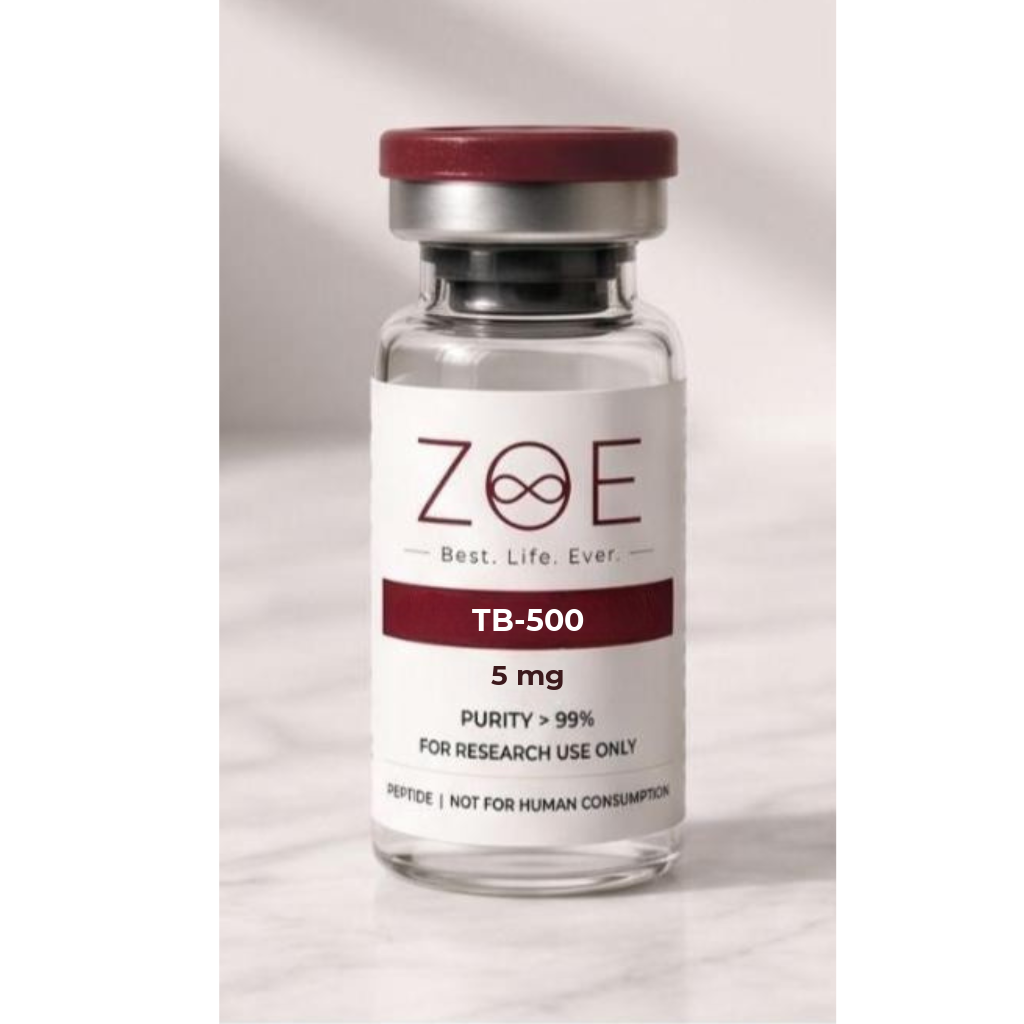
TB-500 is a synthetic peptide fragment of Thymosin Beta-4 (Tβ4), a naturally occurring protein involved in actin regulation and cell migration. Researchers use TB-500 to investigate fibroblast migration, endothelial cell activation, muscle and tendon repair, and post-injury recovery mechanisms.
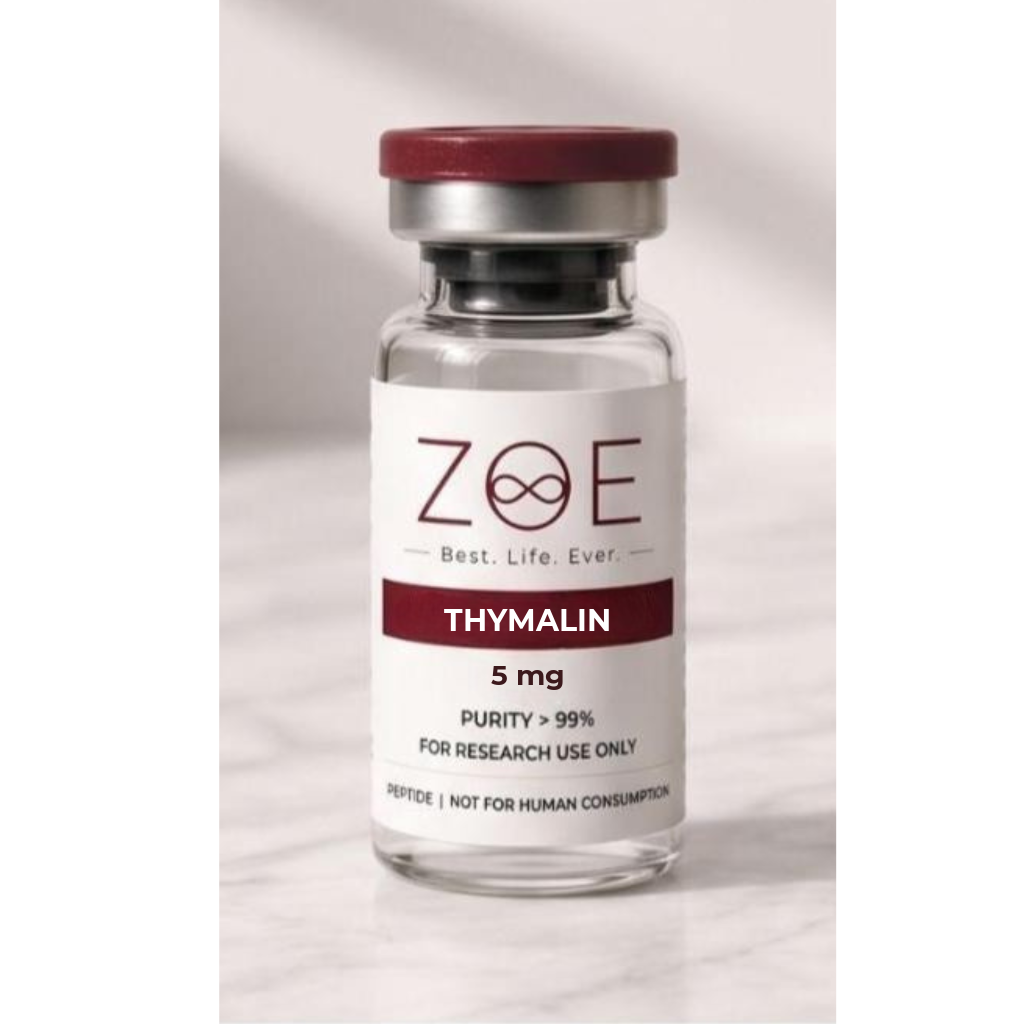
Thymalin is a low-molecular-weight thymic peptide complex that mimics the action of natural thymic hormones. It is widely investigated for its immunomodulatory effects, specifically its ability to regulate T-lymphocyte differentiation, restore cell-mediated immune responses, and modulate gene expression related to cellular aging and immune senescence.
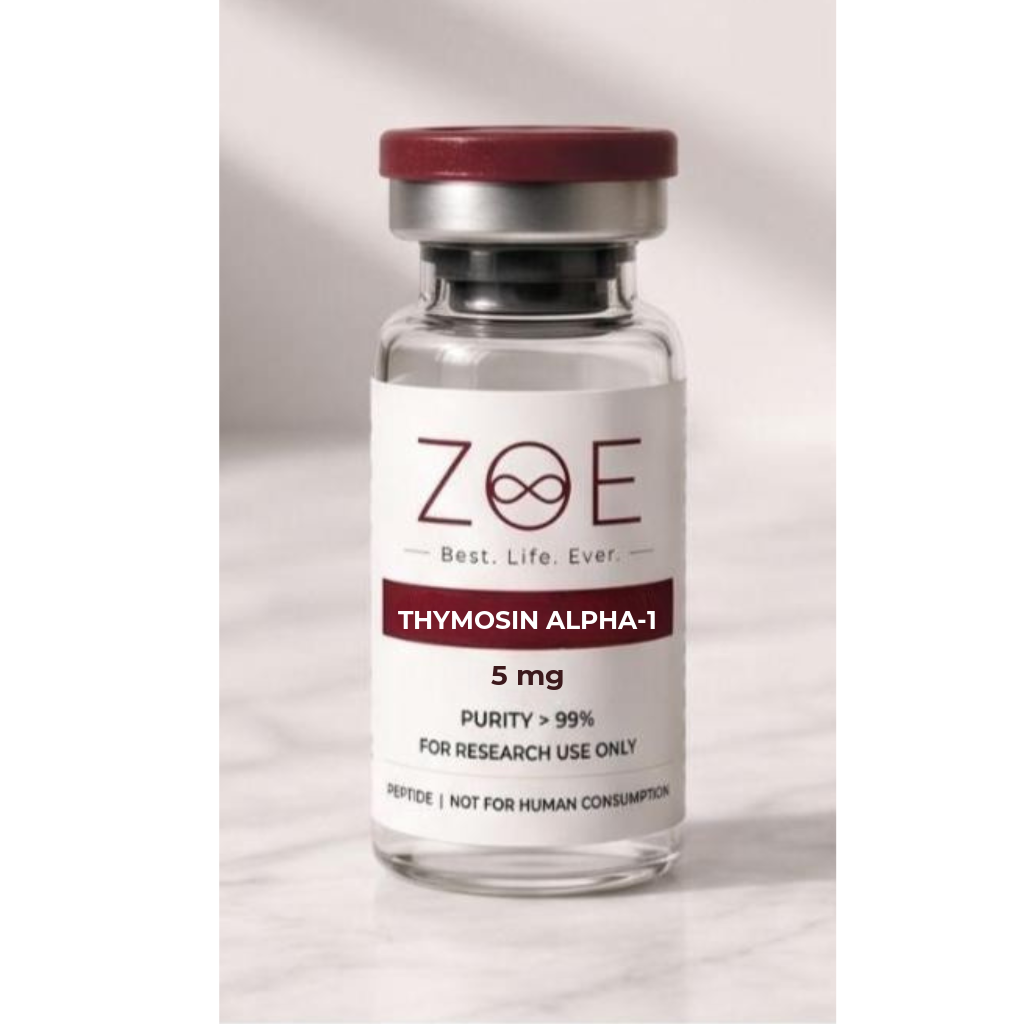
Thymosin Alpha-1 (Tα1) is a 28–amino acid peptide fragment derived from the thymic hormone prothymosin alpha. It is a potent immunomodulatory molecule that enhances both innate and adaptive immune responses. It is widely studied for its potential to regulate immune tolerance, modulate cytokine production, and restore immune balance in immune-suppressed states.
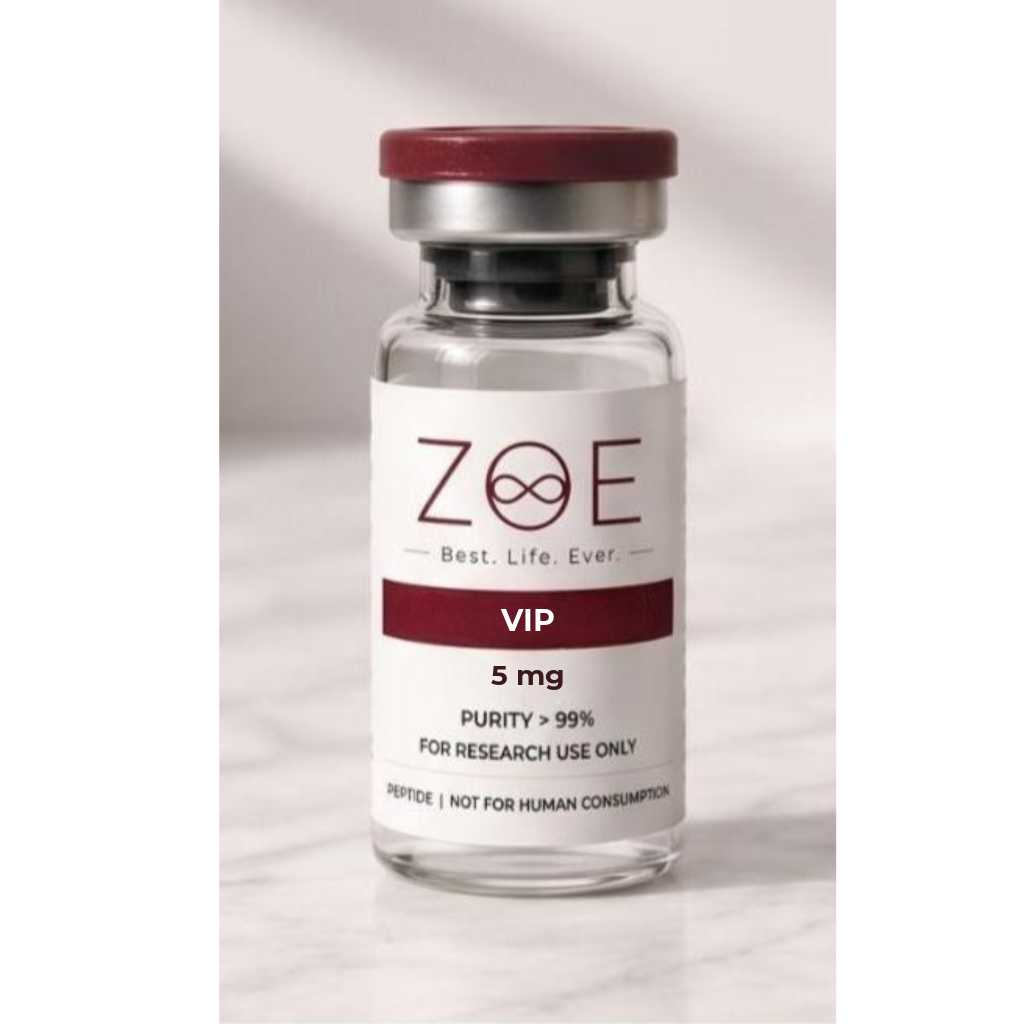
Vasoactive Intestinal Peptide (VIP) is a 28–amino acid neuropeptide that acts as a potent vasodilator, neurotransmitter, and immune regulator. It is produced in the central and peripheral nervous system and is involved in regulating smooth muscle relaxation, circadian rhythms, immune tolerance, and endocrine secretion.
Health & Longevity Expert
Welcome to ZOE
I am your personalized AI health expert. Ask me about peptides, longevity protocols, or let me guide you to the perfect solution.